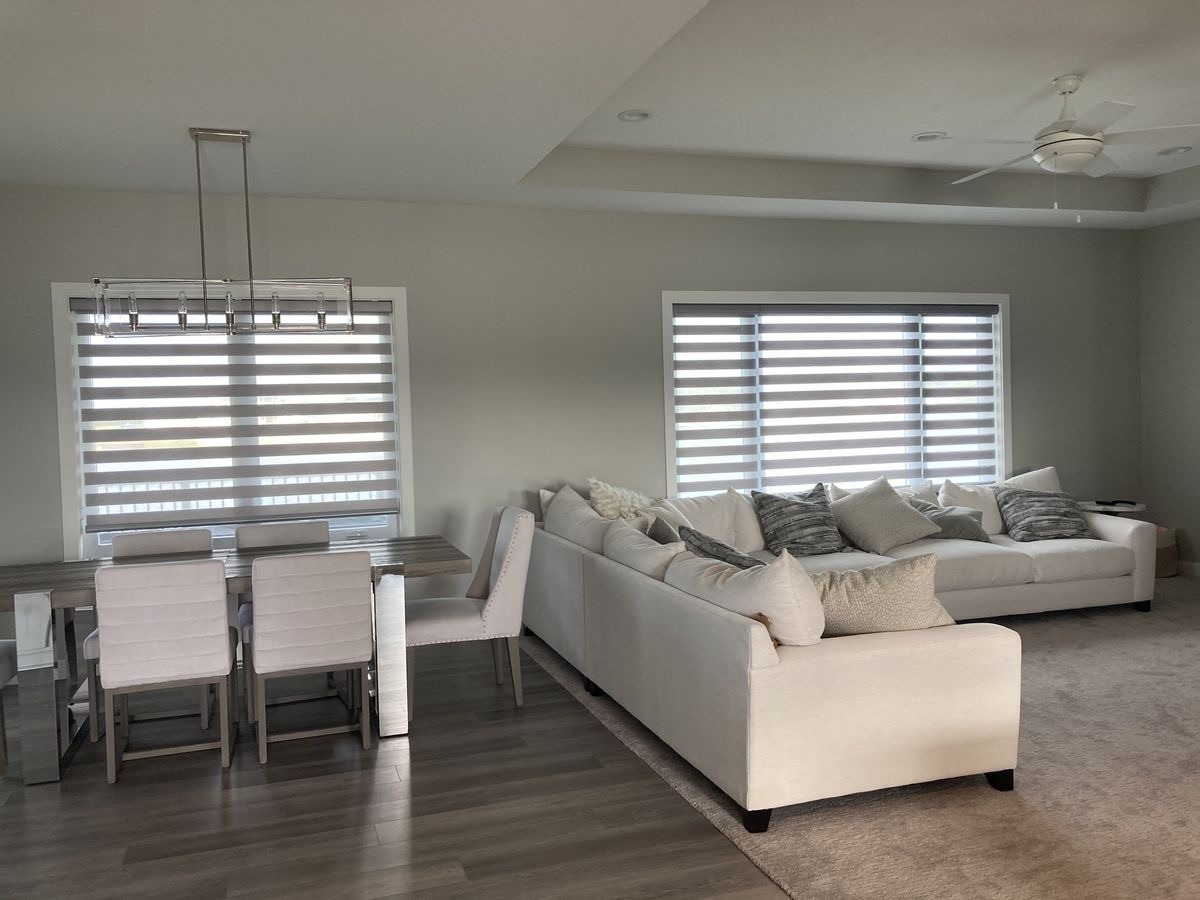
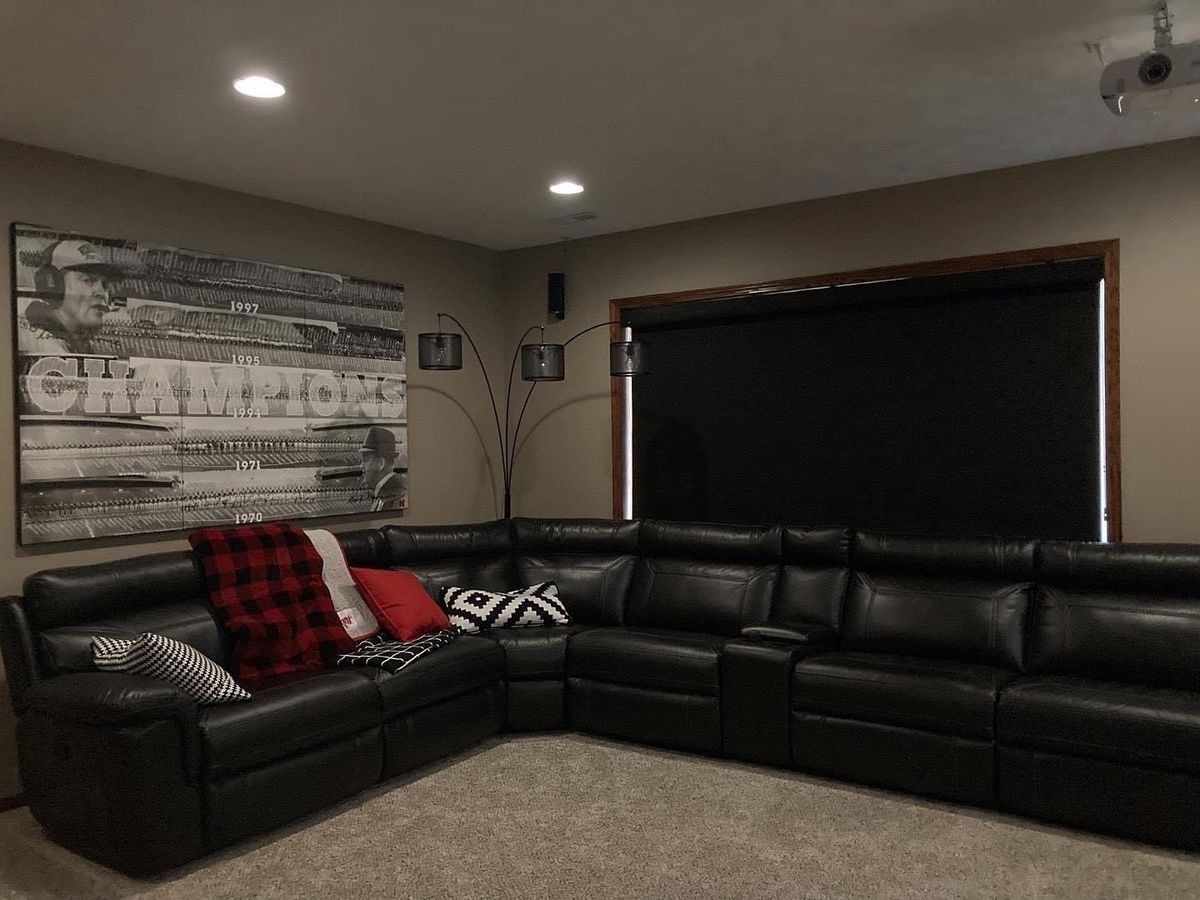
Choosing between Roman shades and roller shades feels simple until you are actually standing in a room trying to decide. Both cover the window. Both control the light. But they do it differently, look different, and suit different kinds of spaces.
The choice matters more than most people expect, especially when the goal is a finished, intentional interior. Good Custom Window Design starts with understanding what each option actually does and where it performs best, not just what looks nice in a showroom photo.
What Roman Shades Actually Are
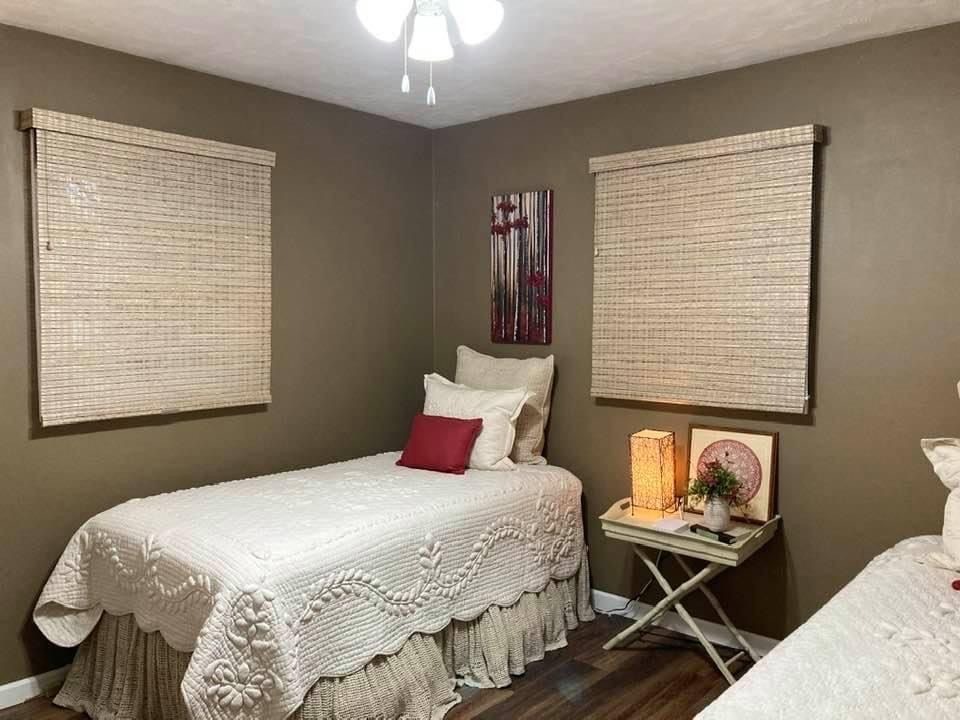
Roman shades are fabric panels that fold into horizontal pleats as they rise. When fully lowered, they lie flat against the window. When raised, they stack into soft, even folds. That folding action is what gives them their distinctive, layered look. The fabric used in Roman shades carries real visual weight.
Linen, cotton, silk blends, and woven textures all translate well into this format. Because the fabric is the focal point, Roman shades bring warmth and softness to a room in a way that more minimal treatments cannot replicate.
What Roller Shades Bring to the Table
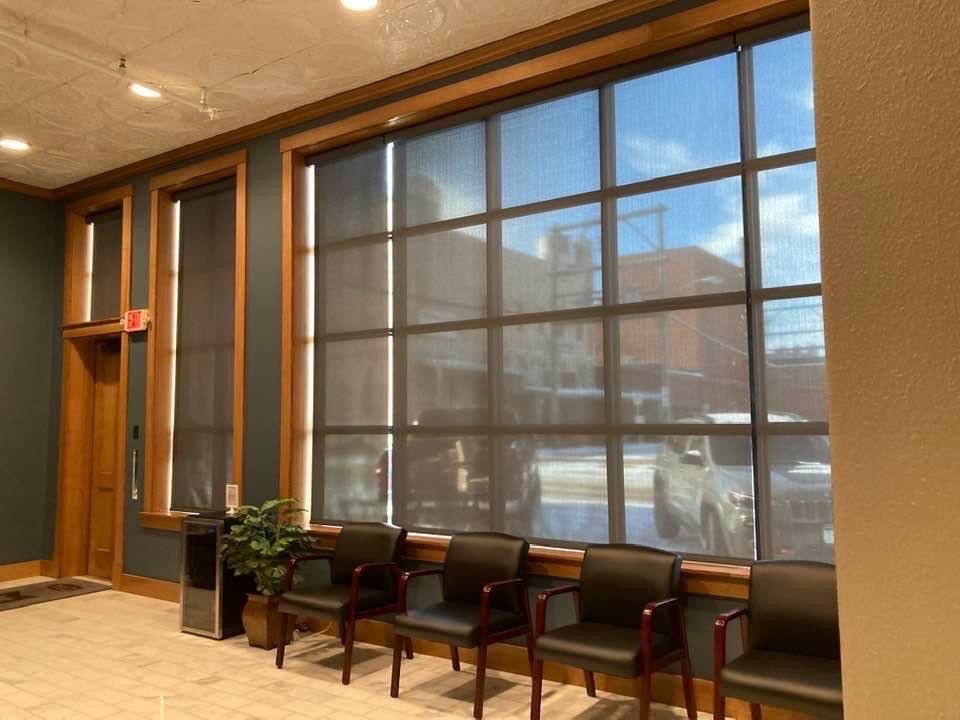
Roller shades work on a simple mechanism. The fabric wraps around a tube at the top of the window and rolls up cleanly as the shade rises. When lowered, the surface is completely smooth and flat. That flatness is a design statement in itself.
Roller shades suit spaces where the goal is clean lines and minimal visual interruption. They work especially well in modern, Scandinavian, and industrial interiors where every element is meant to be quiet and unobtrusive. The hardware stays hidden, the fabric stays smooth, and the window treatment almost disappears into the design.
How Each One Handles Light
Light control is where these two options diverge most noticeably. Roman shades depend heavily on the fabric choice. A tightly woven linen blocks more light than a loosely woven cotton.
Adding a blackout lining to a Roman shade gives you full light control while keeping the soft, tailored aesthetic intact. Roller shades handle light control more precisely because the fabric options are engineered specifically for it. Sheer roller fabrics filter light while maintaining an outside view.
Light-filtering options diffuse glare without full darkness. Blackout rollers block everything completely. A Window Design Expert Columbus would tell you that roller shades are often the more predictable choice when exact light management is the priority.
The Fabric Question
Roman shades open up a much wider fabric selection. Almost any upholstery or drapery fabric can be made into a Roman shade, which means patterns, textures, and colors are nearly unlimited. A bold geometric print, a subtle herringbone weave, or a soft solid all work equally well. Roller shades use specially engineered fabrics that are designed to roll cleanly without creasing or bunching.
These fabrics come in many finishes and opacities, but the selection is narrower than what is available for Roman shades. The trade-off is performance. Roller shade fabrics are built to last under repeated daily use without warping or fraying at the edges.
Which Rooms Suit Each Style
This is where the decision often becomes clearer:
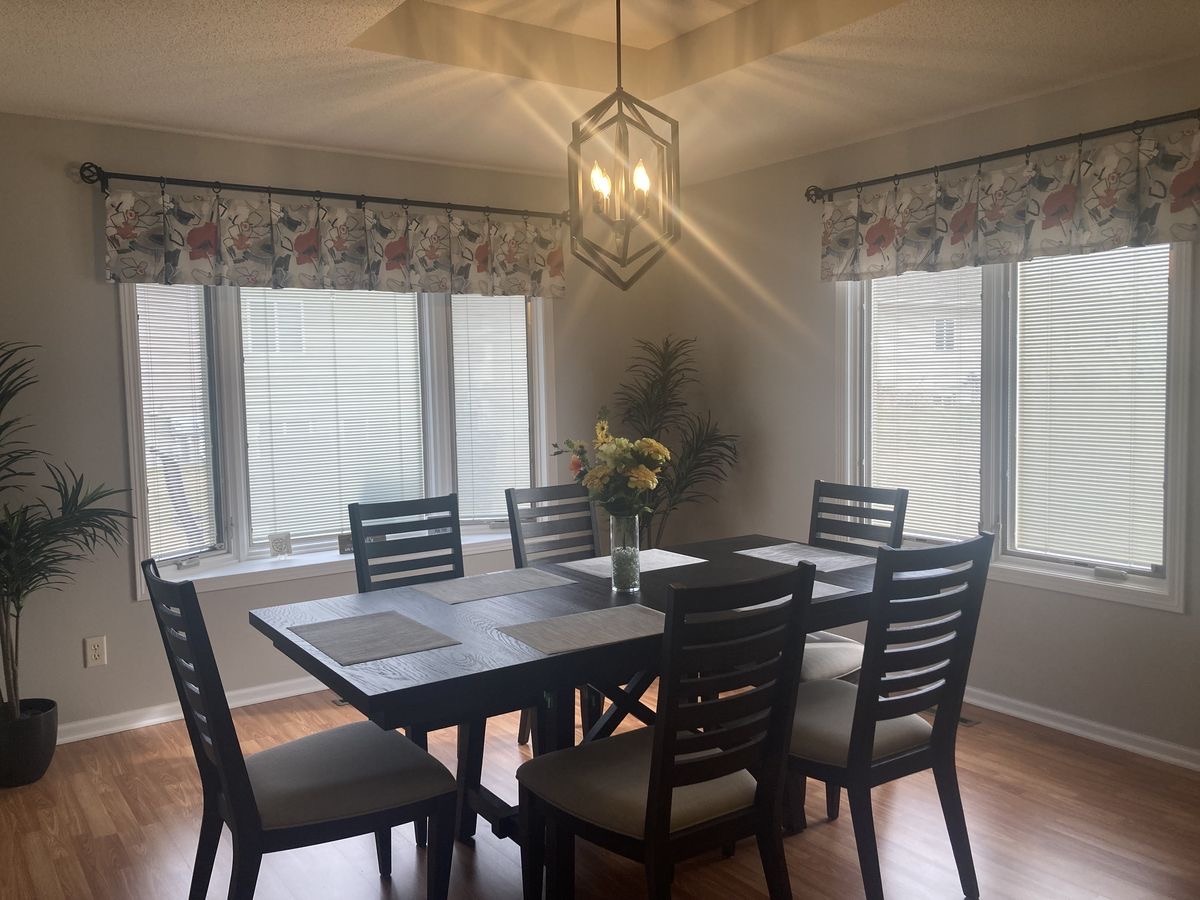
- Roman shades work beautifully in living rooms, dining rooms, bedrooms, and any space where softness and texture are part of the design goal. They add a tailored, finished quality that reads as considered and warm.
- Roller shades perform best in kitchens, bathrooms, home offices, and contemporary spaces where practicality and clean aesthetics take priority. They are also easier to wipe down, which matters in rooms with moisture or cooking residue.
- Layered setups often use roller shades as the functional middle layer under drapery panels, since their slim profile does not compete with the outer fabric.
- Roman shades can stand alone as a complete window treatment in rooms where the fabric does enough visual work on its own.
Get the Window Design Your Space Actually Needs
The right shade is not about which one is more popular. It is about which one fits your room, your light needs, your maintenance comfort, and your overall design direction. Roman shades bring warmth and fabric presence. Roller shades bring clean efficiency and reliable performance. Most homes benefit from both, used in the right rooms for the right reasons.
Jolene’s Interiors helps homeowners work through exactly this kind of decision. Our simple approach to custom window design is built around fit, function, and finish, not just what looks good on a mood board. If your windows have been an afterthought, we think it is time to change that.
Questions Worth Asking Before You Decide
Q1. Can Roman shades be used in bathrooms or kitchens?
A1. They can, but fabric choice matters. In humid rooms, synthetic or moisture-resistant fabrics work better than natural fibers like linen or silk. Roller shades are generally the easier choice in wet or high-steam environments.
Q2. Do roller shades look cheap in a high-end interior?
A2. Not at all. Premium roller shade fabrics in the right opacity and finish look clean and are considered in luxury spaces. The quality shows in how the fabric hangs, how the edges are finished, and how smoothly the mechanism operates.
Q3. Which shade type works better for large windows?
A3. Roller shades handle large spans more reliably because the fabric stays flat and does not shift. Roman shades on very wide windows can develop uneven folds over time. For oversized windows, roller shades or multiple Roman shades side by side are the better approach.
Q4. Are Roman shades harder to install than roller shades?
A4. Roman shades require more careful alignment during installation to ensure the folds hang evenly. Roller shades are more forgiving and faster to install. Both should be professionally measured and installed for a clean result.
Q5. How long do Roman shades typically last?
A5. Well-made Roman shades last ten to fifteen years. The fabric may fade with prolonged sun exposure without a UV-protective lining, and the lift cords or motorized system may need servicing over time.