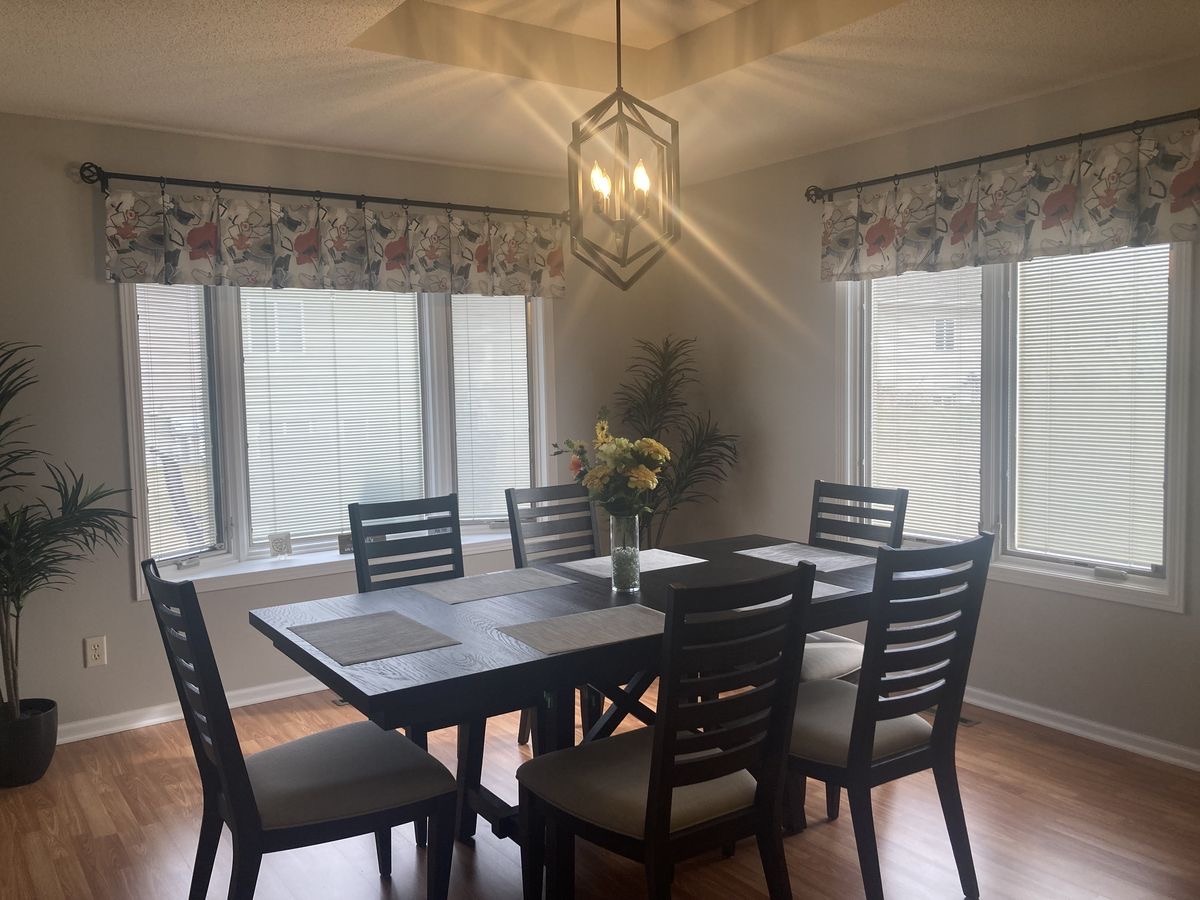
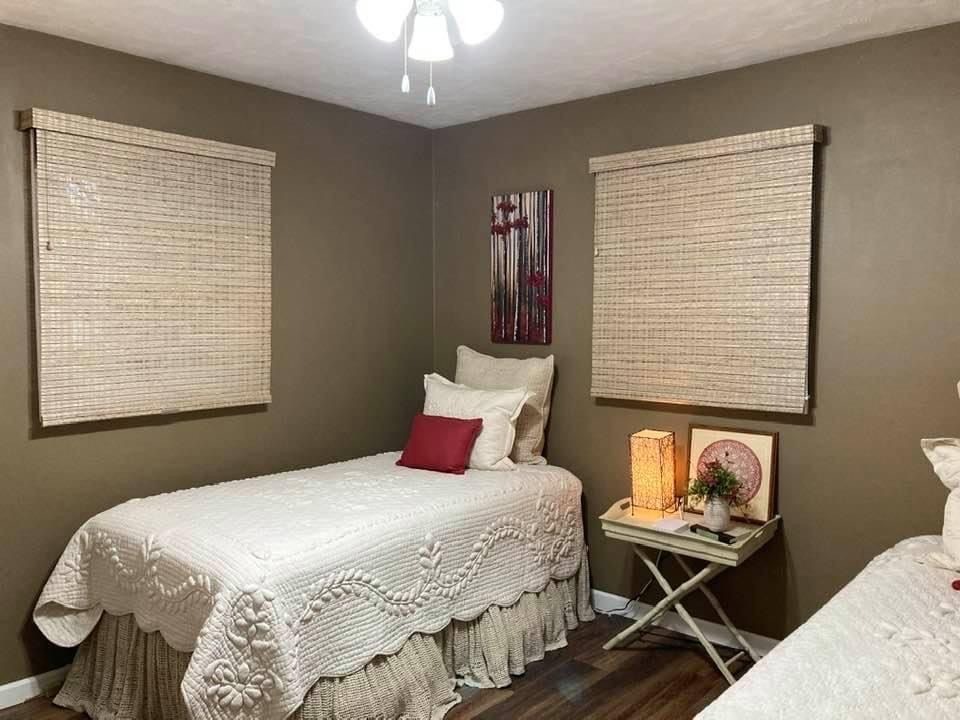
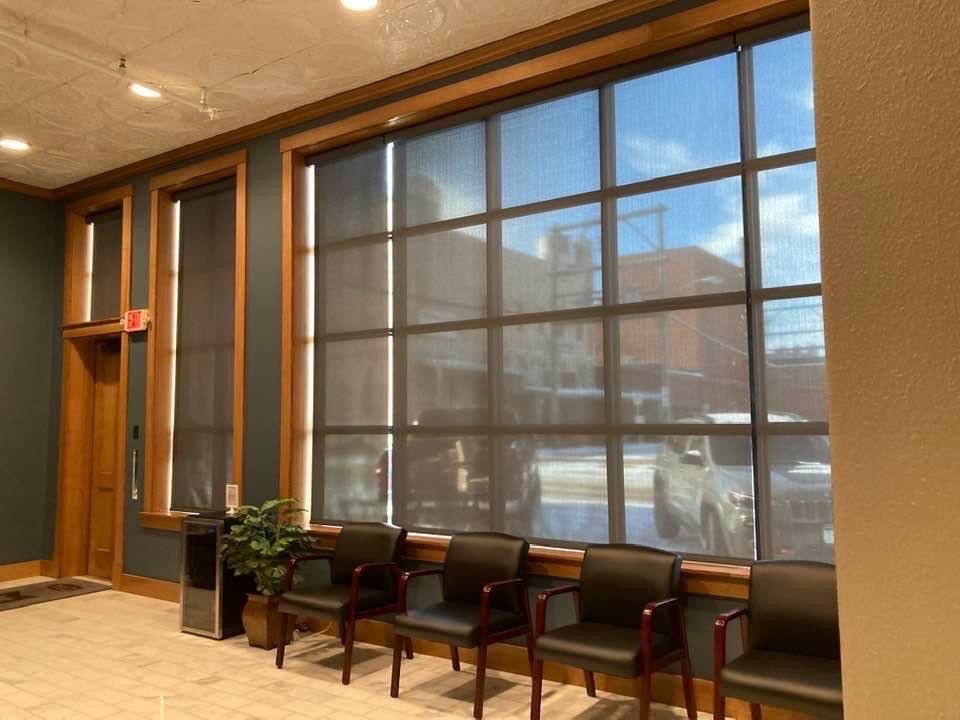
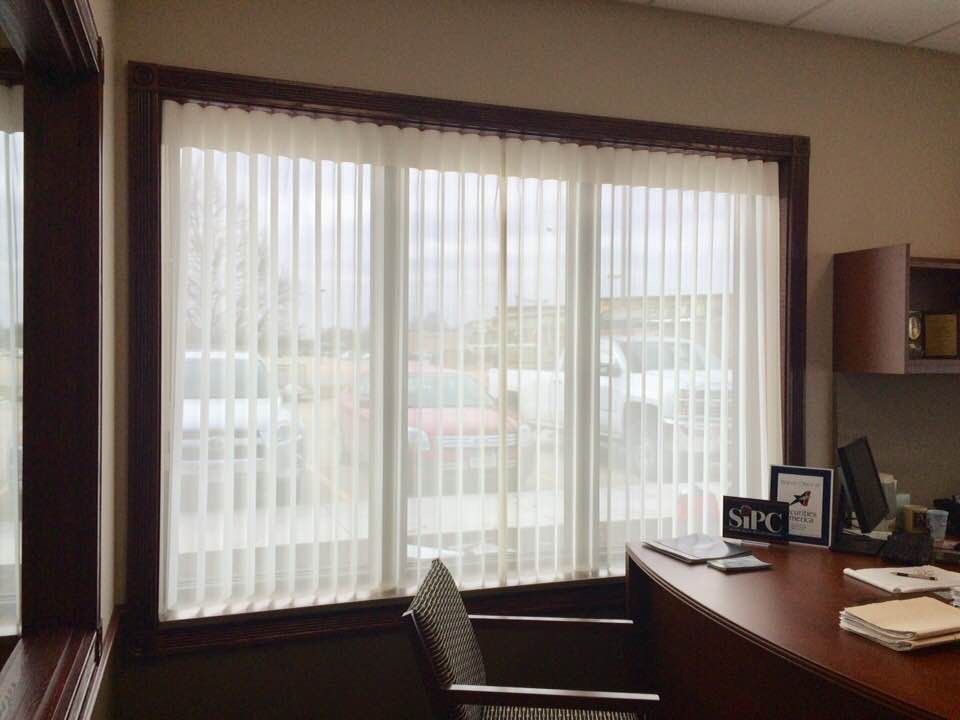
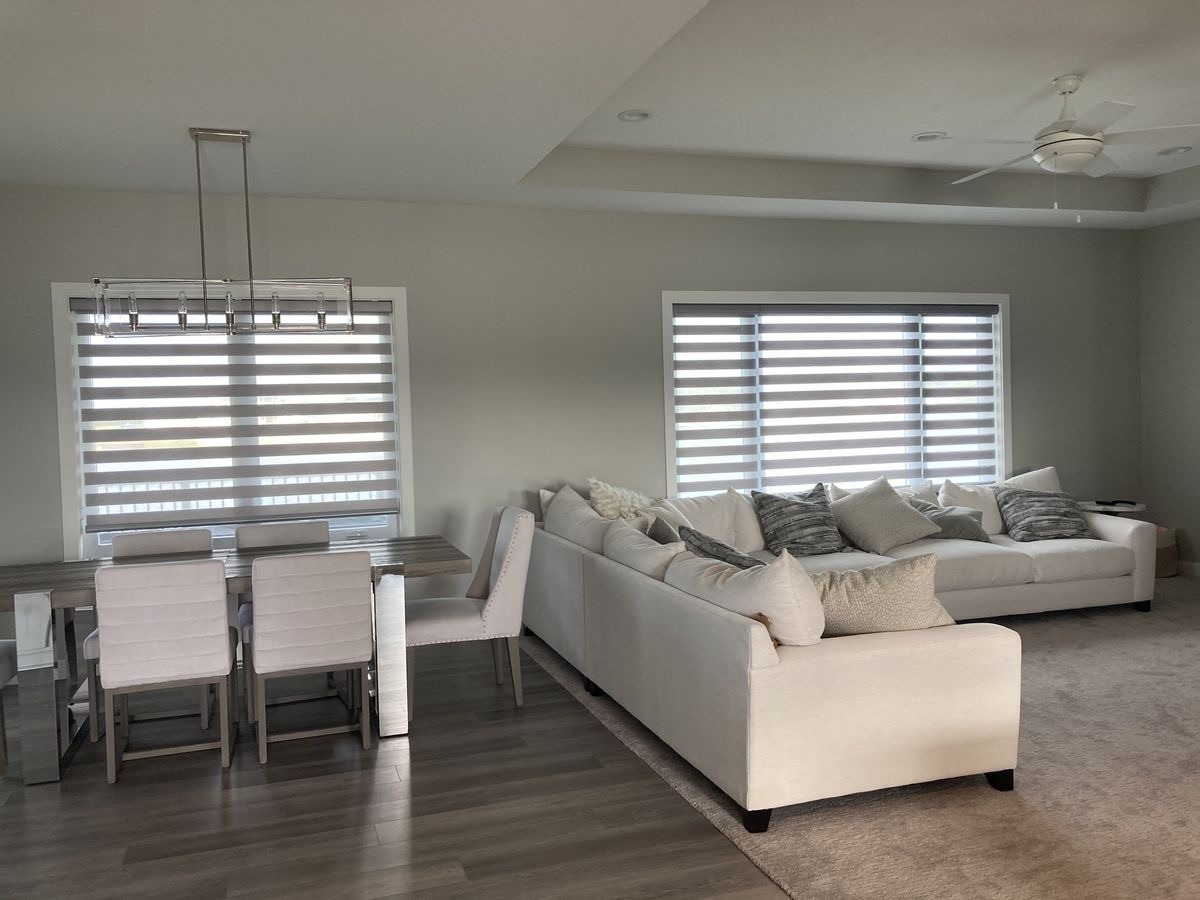
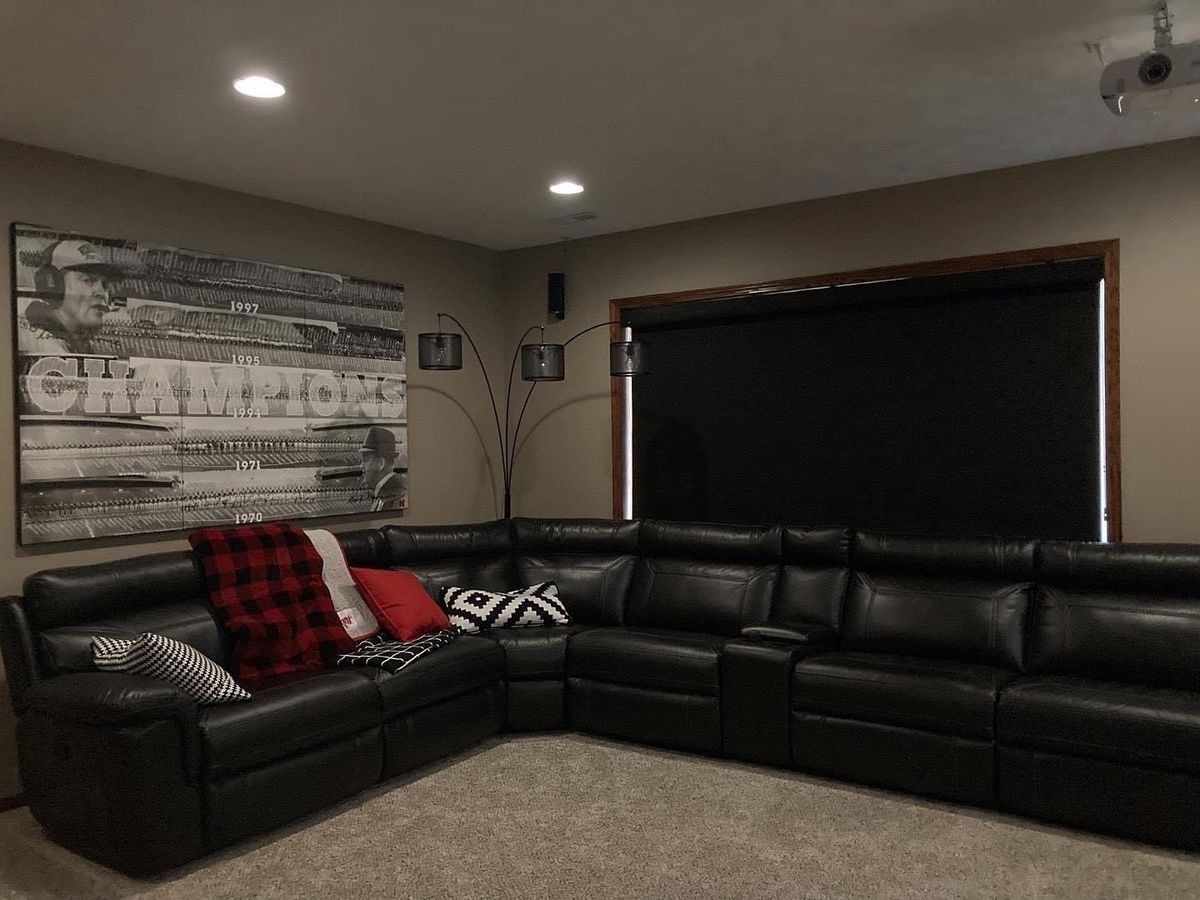
luxury window coverings, elegant window coverings
Windows are often the most ignored part of a room, yet they shape everything around them. The light that filters in, the privacy you feel, the way a space looks from the street, it all comes back to what you put on your windows. In high-end homes, this decision carries even more weight.
Luxury Window Coverings are not just a finishing touch. They are a core design choice that affects comfort, aesthetics, and the overall feel of a space. Custom options take this a step further. They are built around your specific windows, your light needs, and your design vision. Nothing is generic, nothing is off-the-shelf, and nothing looks out of place.
More Than Just Fabric on a Rod
Most people think window treatments are purely decorative. That is only part of the story. A well-chosen covering controls how much natural light enters a room, reduces heat in summer, keeps warmth in during winter, and blocks outside noise. In luxury spaces, all of these functions are expected to work seamlessly without drawing attention to themselves.
Custom pieces are engineered for your exact window dimensions. There are no gaps on the sides, no awkward lengths, and no fabric that bunches at the bottom. The fit alone separates a custom treatment from anything bought off a shelf.
The Role of Natural Light in Luxury Spaces
Lighting designers spend hours getting artificial light right. But natural light, which shifts throughout the day, is harder to control. The right window covering gives you that control without blocking the view entirely. Sheer linen panels diffuse morning light softly. Layered Roman shades let you shift from full brightness to near darkness in seconds.
Motorized blackout options work silently and respond to a remote or a smart home system. In a well-designed luxury interior, light is not left to chance, and custom coverings make sure of that.
Fabric, Texture, and Why They Matter
- Silk adds a natural sheen that catches light differently at different times of day
- Velvet absorbs light and adds visual depth, making a room feel warmer and more grounded
- Linen brings a relaxed, organic quality that works well in contemporary and coastal luxury interiors
- Wool-blend fabrics offer structure and texture without looking stiff
The material you choose communicates tone. A bedroom with floor-to-ceiling silk drapery feels different from one with tailored linen panels, even if the layout is identical. Fabric is not just a texture choice; it is a mood choice.
Custom fabrication means you are not choosing from three color options. You are selecting the exact weave, weight, opacity, and finish that fits the room. That level of specificity is what separates an average interior from a truly considered one.
Hardware Is a Design Element Too
People often focus on the fabric and forget the hardware. In luxury interiors, this is a mistake. The rod, bracket, finial, and track system are all visible parts of the design. Brushed brass rods in a room with warm-toned furniture create continuity.
Matte black hardware against white walls adds contrast without being loud. Custom hardware also allows for unusual configurations, like ceiling-mounted tracks for floor-to-ceiling drama, or recessed pockets that make the curtain appear to float. These details are subtle, but they are exactly the kind of thing that makes a room feel complete.
Motorization and Smart Integration
Automation has become a standard expectation in luxury homes. Elegant window coverings now often include motorized systems that integrate with platforms like Lutron or Crestron. Shades lower at sunset automatically. Bedroom blackouts close when you say a word or tap a button. Beyond convenience, motorization protects the fabric. Repeated manual operation causes wear over time. A motorized system is gentle, consistent, and extends the life of high-quality textiles.
Acoustics, Privacy, and the Functional Side of Design
Luxury does not only concern itself with visual appearance, but rather it is also related to the way a room makes you feel. Thick curtains are known for their acoustics capabilities and therefore make a lot of sense in larger, hard floors and sparsely furnished rooms.
Luxury window coverings in urban homes or street-facing rooms need to allow light in while keeping the interior shielded from outside view. Sheer-to-opaque layering systems handle this without requiring a compromise on either end.
Ready to Rethink Your Windows?
Custom treatments give you control over light, privacy, sound, and style in a way that nothing store-bought can match. Jolene’s Interiors works with clients who take their spaces seriously.
Every project we take on is treated with the same level of care, whether it is a single room or an entire home. If your windows are the last thing you have thought about, it is probably the right time to make them the first.
Questions People Ask About Custom Window Coverings
Q1. What makes custom window coverings worth the higher cost?
A1. Custom pieces are cut to your exact window size, made from higher-quality materials, and designed to match your specific interior. The fit, finish, and longevity justify the cost over time. Ready-made options rarely fit well or last as long.
Q2. How do I choose the right fabric for a luxury interior?
A2. Think about your lighting requirements, your current color scheme, and the texture of any other soft furnishings. Silk and velvet are ideal choices for more traditional environments, while linen and cotton mixtures are perfect for a modern setting. Always ask for samples before making any decisions.
Q3. Is a motorized system for my windows durable?
A3. Definitely! Good-quality motorized products from companies such as Lutron or Somfy are made for everyday use and usually have a warranty to back that up. Another added benefit is the reduced stress put on the material, which means it lasts longer.
Q4. How do window coverings affect energy efficiency in a home?
A4. Lined and interlined drapery adds a layer of insulation. Cellular shades trap air and reduce heat transfer through the glass. In both cases, the right covering can lower heating and cooling costs while keeping the interior more comfortable year-round.