Ordinary Room Into Something Special
Two identical rooms. Same furniture, same paint color, same square footage. Yet one feels pulled together and the other just feels… off. What’s the difference? More often than not, it comes down to the windows. Specifically, how they’re treated. A skilled Window Design Expert in Columbus doesn’t just hang curtains and call it a day. They read the room, understand how light moves through it, and make choices that quietly tie everything together.
This post breaks down exactly how that transformation happens, and why the right expertise changes everything.
It Starts with Listening, Not Selling
Most homeowners expect a design consultation to feel like a sales pitch. A professional window design expert in Columbus works very differently. The first thing they do is ask questions. How do you use this room? What time of day does light come in? Do you work from home? Do kids nap here? Is morning glare a problem?
These questions matter because every answer shapes the design. A room used for video calls needs filtered, glare-free light. A bedroom needs darkness and calm. A kitchen needs easy-to-clean fabrics that still look sharp. None of this information comes from a catalog. It comes from a real conversation about how people actually live in their homes.
Seeing What Most Homeowners Miss
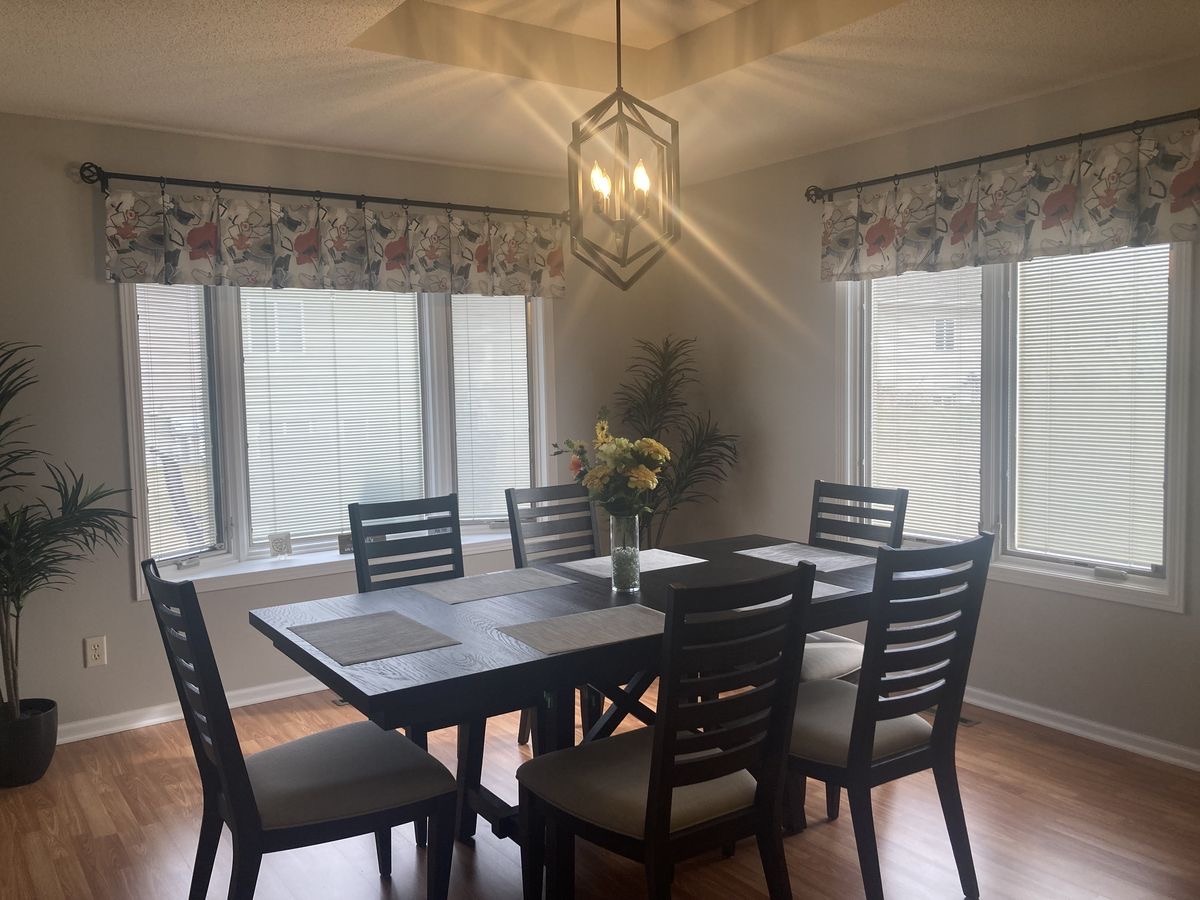
Here’s where professional expertise really shows its value. A trained eye notices things most people overlook entirely. The height at which a curtain rod is placed, for example, can make a ceiling feel taller or shorter. Hanging treatments too low is one of the most common mistakes in home decorating, and it shrinks a room without anyone realizing why.
A window design expert also spots light gaps, uneven coverage, and proportion issues that make a room feel slightly wrong even when nothing obvious stands out. They understand how the width of a treatment panel, the weight of a fabric, and the opacity of a shade all interact with the rest of the room. These details add up fast.
The Role of Designer Window Shades in a Room’s Feel
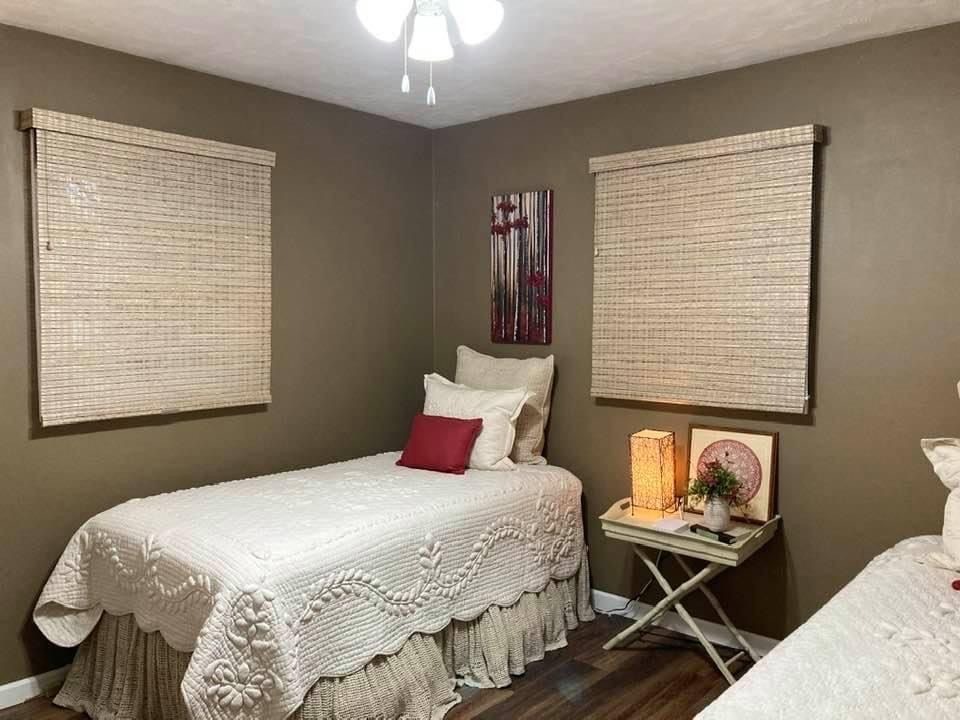
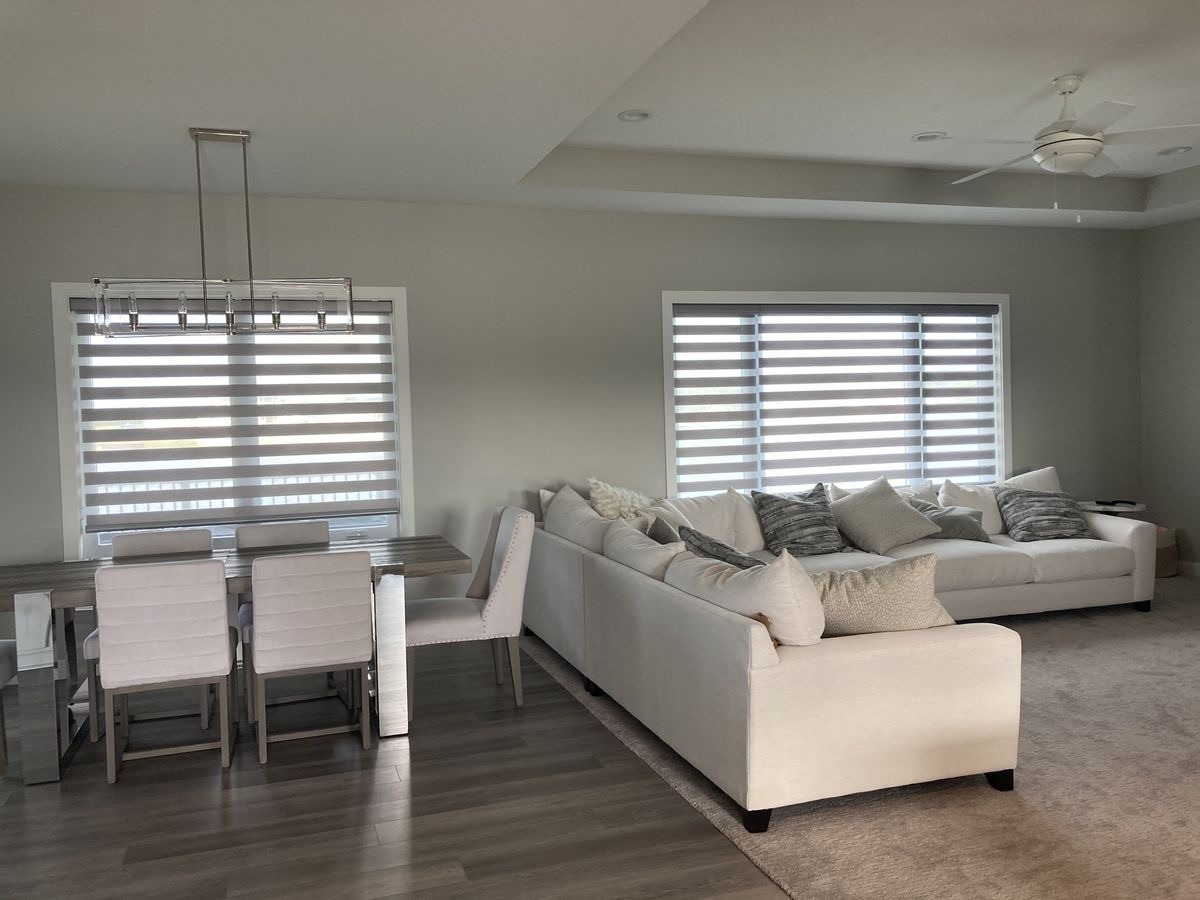
One of the most powerful tools in a window designer’s toolkit is the right shade. Designer window shades are not just functional; they’re a design element in their own right. The fabric, the texture, the opacity, and the way they roll or fold all contribute to the overall mood of a space.
A soft, warm-toned roller shade in a neutral linen fabric does something completely different to a room than a stiff, white vinyl blind. One adds warmth and texture. The other just covers the window. Designer window shades come in a wide range of materials, from organic weaves to structured fabrics that hold their shape beautifully over time. A window design expert knows which option fits the room and which ones will look out of place within six months.
Light Filtering vs. Room Darkening: Choosing Correctly Matters
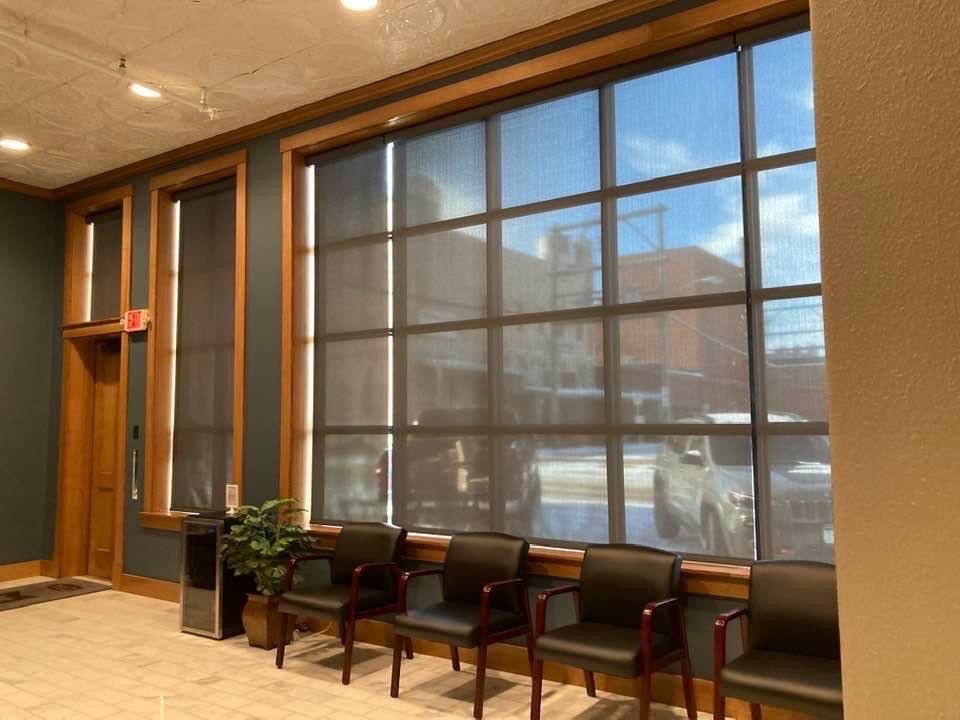
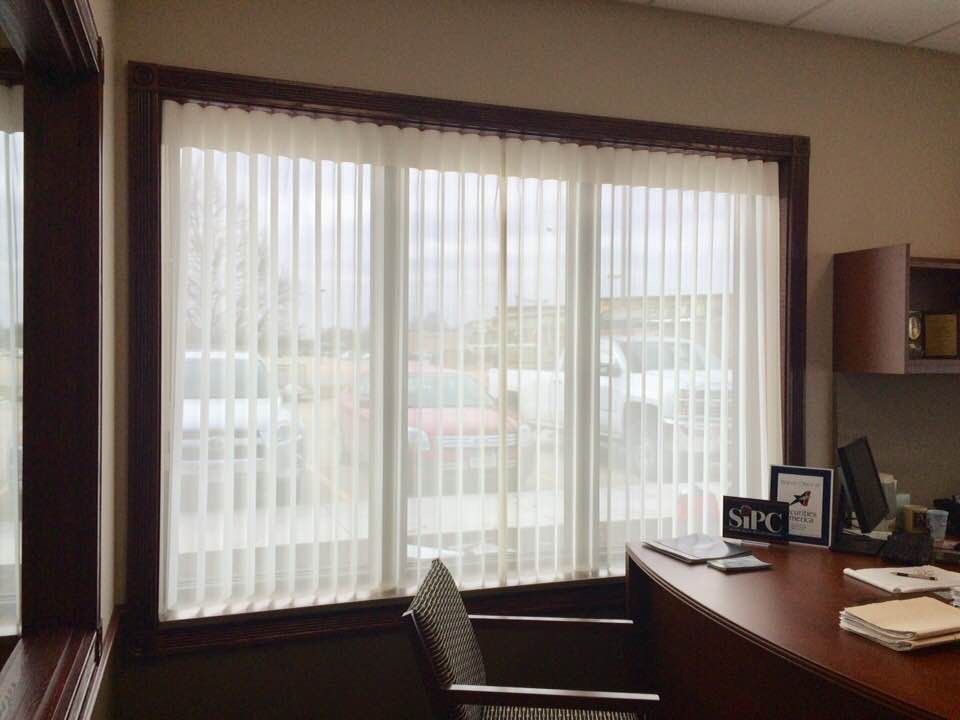
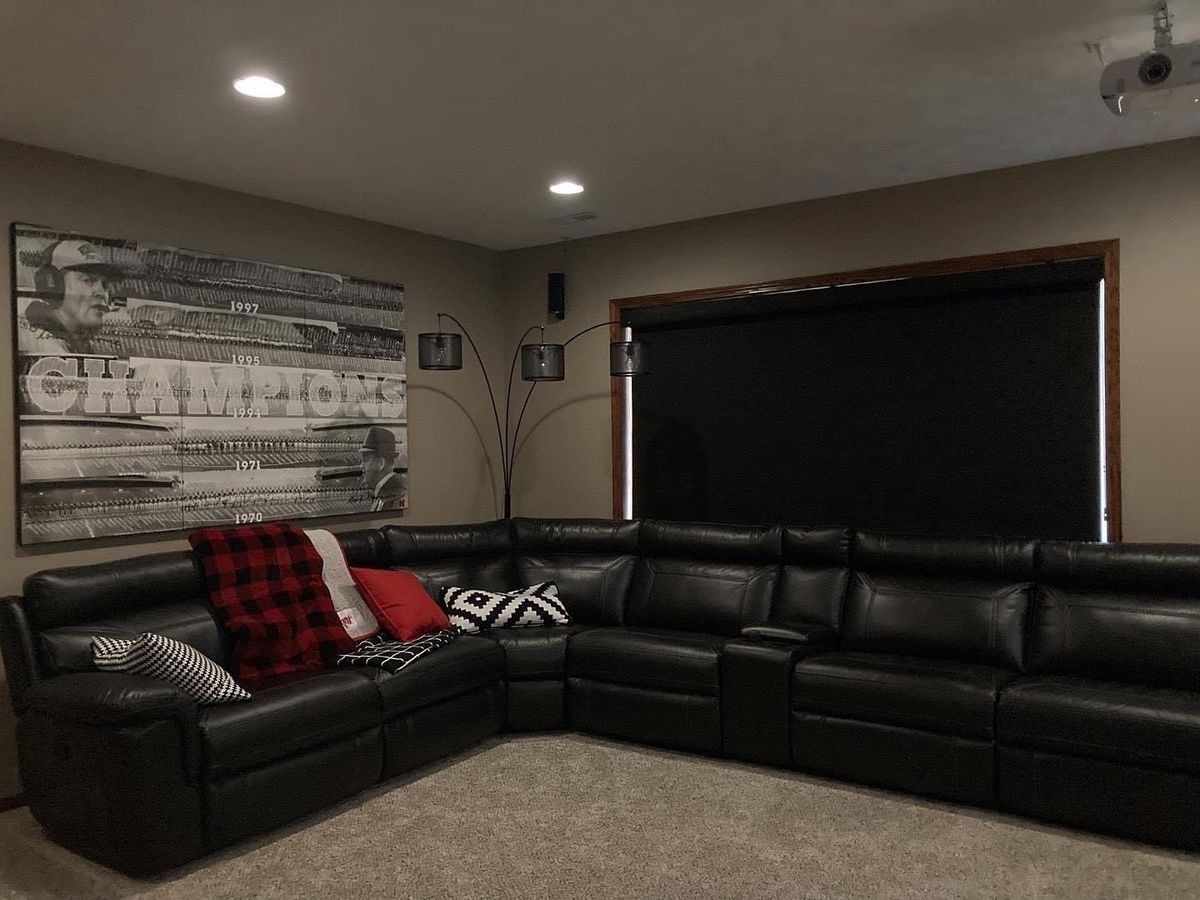
Part of what makes a professional recommendation so valuable is knowing when to use light-filtering shades versus room-darkening ones. In a living room or kitchen, soft filtered light keeps the space bright and welcoming. In a home office, reducing screen glare is the priority. In a bedroom, deeper coverage supports better rest.
Getting this wrong is more common than most people think. A shade that looks beautiful in the store but floods a workspace with afternoon glare becomes a daily frustration. A window design expert matches the shade’s function to the room’s purpose before anything else.
How Layering Changes Everything
A single treatment is good. A well-layered combination is exceptional. Pairing designer window shades with flat-panel drapes, for example, creates depth, dimension, and flexibility. During the day, the shades do the work. In the evening, closing the drapes shifts the entire feeling of the room from open and airy to warm and enclosed.
This layered approach works especially well in living rooms and primary bedrooms. It’s not about adding more for the sake of it; it’s about giving the room more range. A window design expert knows how to layer without making the window look crowded or overdone.
Custom Fit Makes the Biggest Visual Difference
Standard-sized treatments rarely fit perfectly. Gaps at the sides, fabric pooling awkwardly on the floor, or shades that don’t fully cover the frame all break the polished look you’re going for. Custom sizing eliminates every one of those problems.
When a treatment is made to fit a specific window exactly, it hangs straight, covers completely, and looks intentional. That “intentional” quality is what separates a designed room from a decorated one. It’s the difference between a space that looks finished and one that always seems like it’s missing something.
Your Room Deserves More Than a Best Guess- Here’s How to Get It Right
Jolene’s Interiors brings exactly this kind of thoughtful approach to every project. Our team works as a true window design expert in Columbus, taking time to understand each home, each room, and each client before making a single recommendation.
From hand-selected Designer Window Shades to fully layered custom treatments, Jolene’s Interiors builds solutions that fit your windows and your life. If your room has always felt like it’s almost there but not quite, reach out to Jolene’s Interiors today and find out what the right window treatment can actually do for your space.
Frequently Asked Questions
Q1. What does a window design expert in Columbus actually do?
A1. A window design expert in Columbus assesses your space, understands your lifestyle needs, recommends the right treatments for each room, takes accurate measurements, and oversees installation. The goal is a result that fits both the window and the way you use the room.
Q2. Are designer window shades worth the investment?
A2. Yes, for most homeowners, they are. Designer window shades use better materials, hold up longer, and look more polished than standard options. They’re also available in custom sizes, which means a much cleaner fit and finish.
Q3. How does a window design expert improve a room’s appearance?
A3. A professional spots proportion issues, light problems, and coverage gaps that most people miss. Small adjustments, like raising a curtain rod or switching to a warmer fabric, can completely change how a room feels without changing anything else in the space.
Q4. Can window treatments really make a room feel larger?
A4. Absolutely. Hanging treatments higher than the window frame and extending them wider than the glass makes a window appear bigger, and a ceiling appear taller. These are standard techniques a window design expert uses regularly.
Q5. How do I know which window shades are right for my room?
A5. The right shade depends on how you use the room, how much natural light it gets, and your privacy needs. A window design expert walks through all of these factors before making any recommendation, so nothing gets chosen by guesswork.