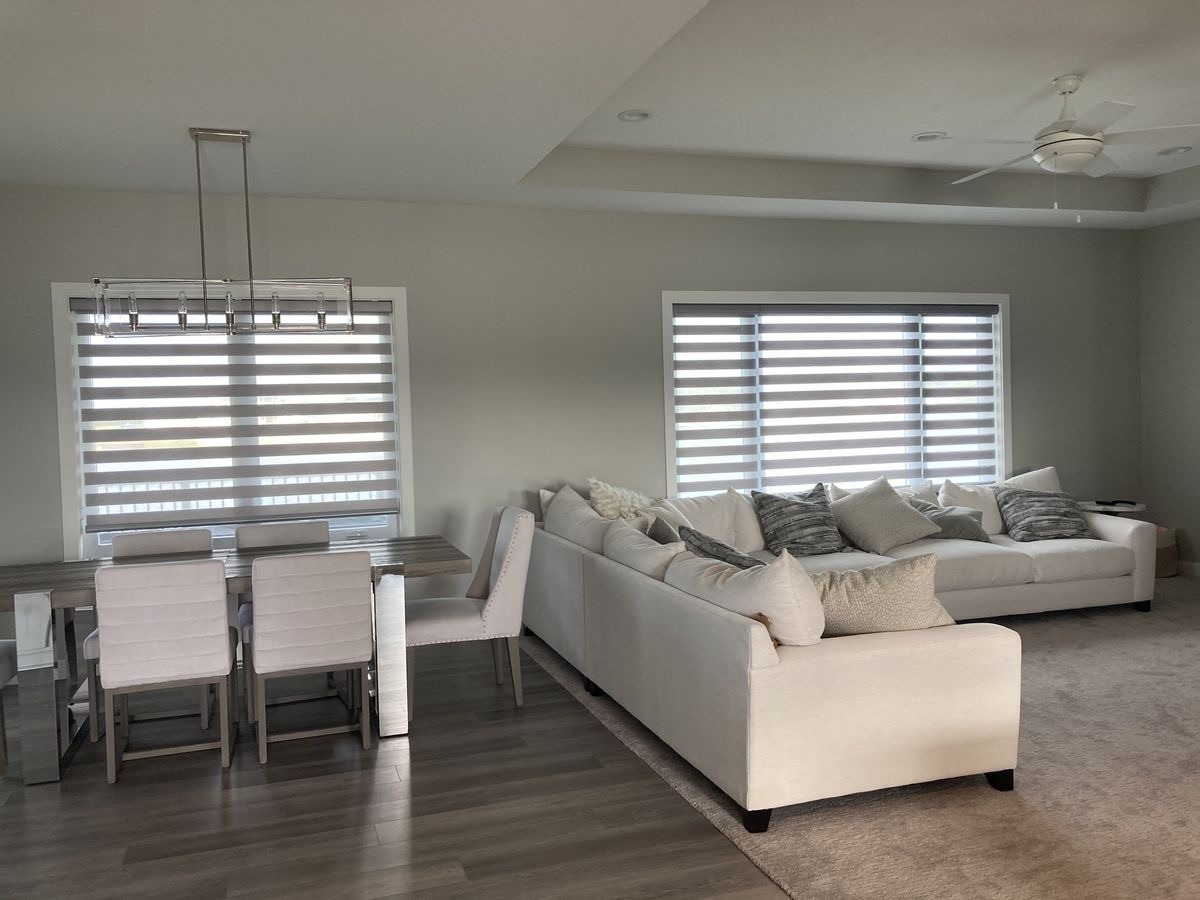
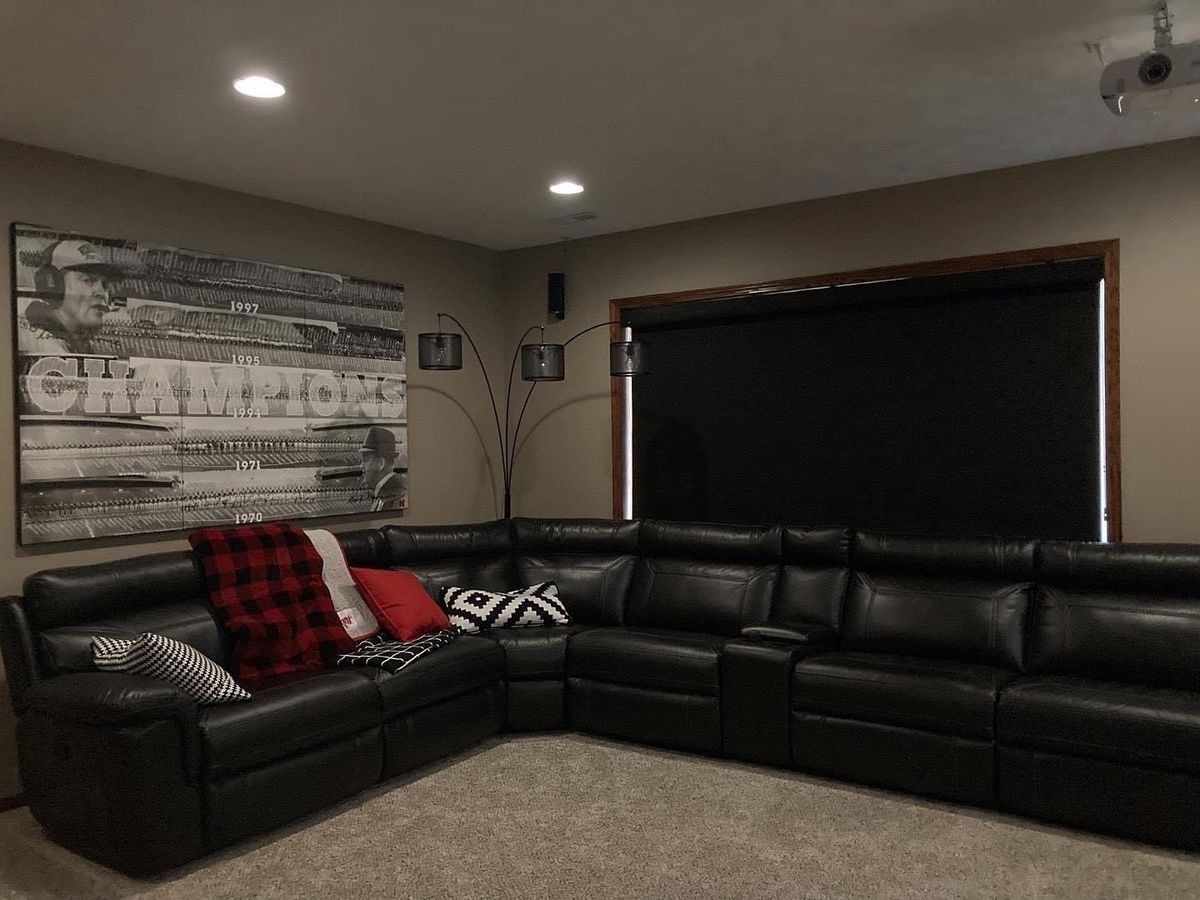
Multi-story homes have a window problem that single-floor homes never face. The windows are not all the same size, not all at the same height, and not all serve the same purpose. A staircase window sits at an awkward angle. A second-floor bedroom window needs privacy but not darkness.
A double-height living room wall holds a window that nobody can reach without a ladder. Pulling all of that together into something that looks intentional takes more than picking a style you like. Homeowners who invest in modern design windows in Columbus understand that multi-story homes need a plan, not just a product.
The Visual Continuity Problem in Multi-Story Homes
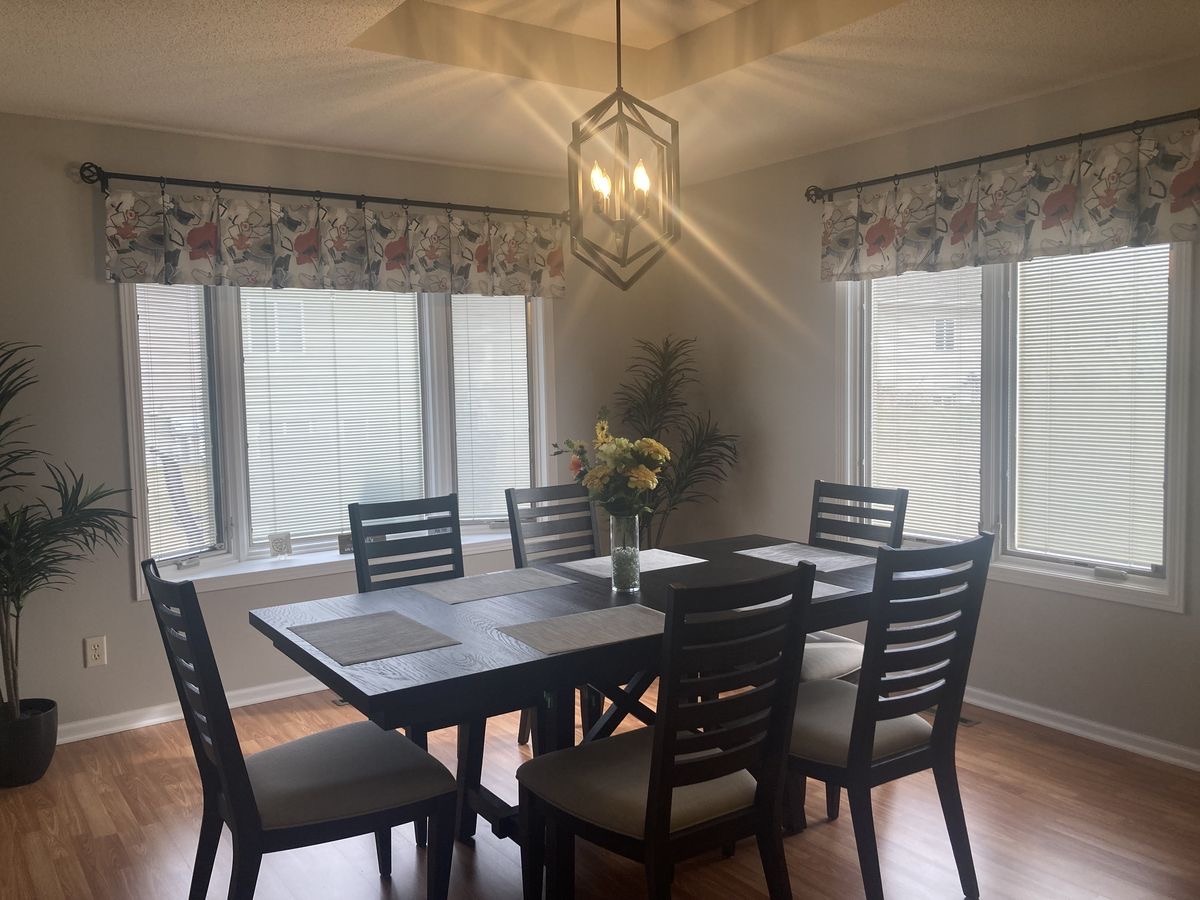
Walk into most two-story homes and look up. The windows on the upper level rarely match the treatment logic of the ones below. Different fabrics, different hardware finishes, different hanging heights. The result is a home that feels assembled rather than designed.
Visual continuity does not mean every window gets the same curtain. It means the design decisions across floors follow a clear logic. Consistent hardware finish throughout the home is one of the easiest ways to create that thread. When every rod and bracket shares the same metal tone, the eye reads the home as considered even if the fabric choices vary by room.
Floor-to-Ceiling Windows and How to Handle Them
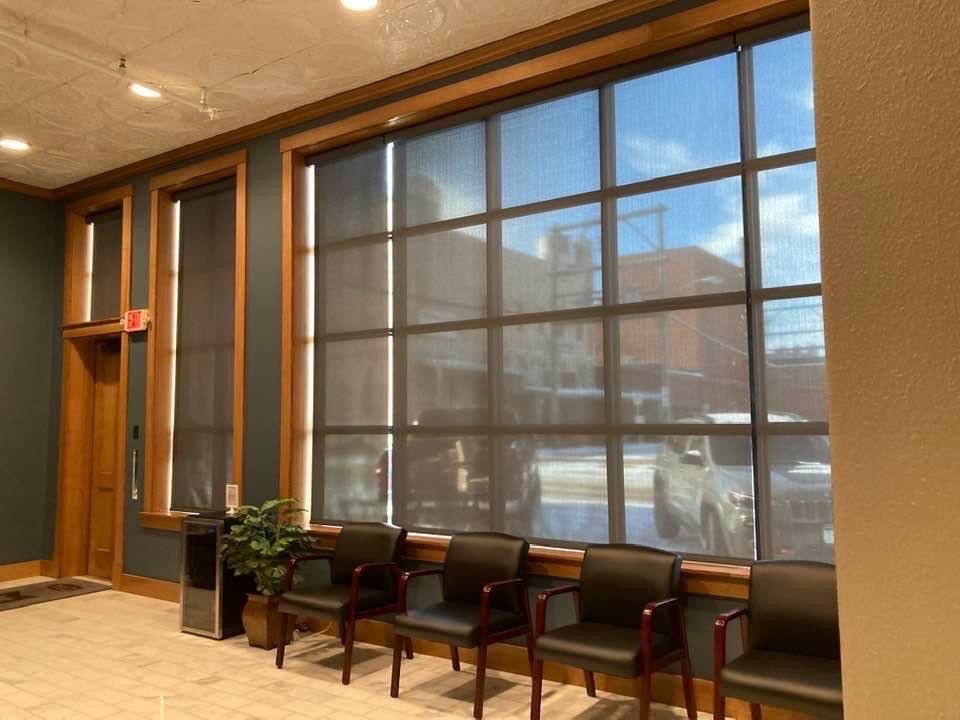
Double-height or floor-to-ceiling windows are a feature in many modern multi-story homes. They bring in significant light and create a dramatic focal point. They also create real challenges around heat gain, privacy, and treatment access.
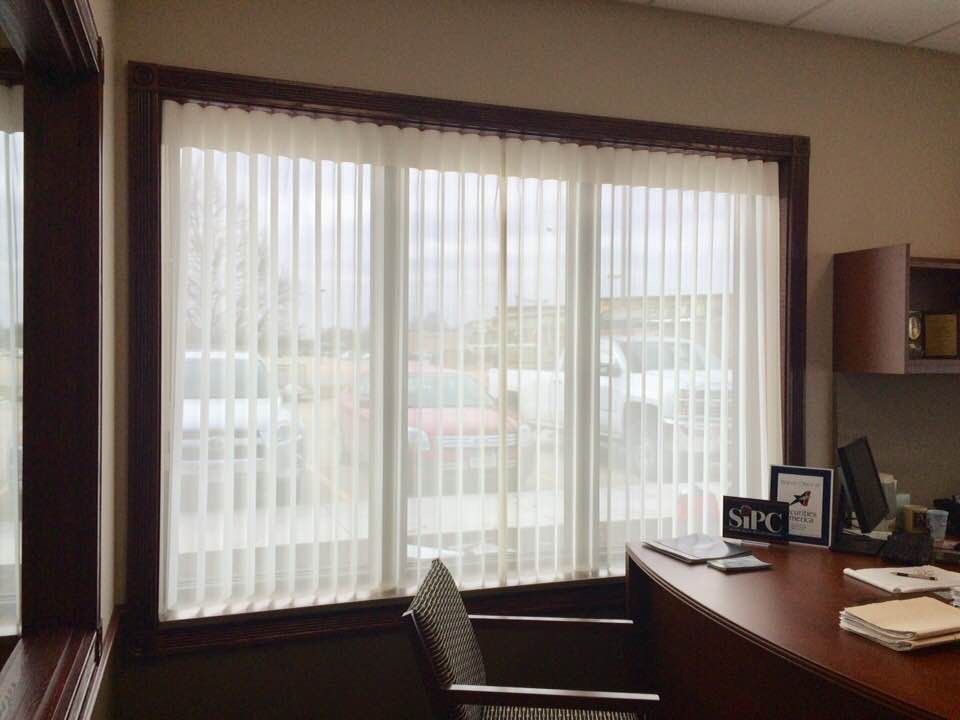
Motorized shades are the most practical solution for tall windows that cannot be reached manually. A ceiling-mounted roller or roman shade controlled remotely handles daily adjustments without requiring anyone to climb anything. For the aesthetic layer, sheer panels hung on a ceiling-mounted track soften the glass without breaking the vertical line of the window.
The custom window design in Columbus approach for these windows always factors in the access issue before anything else, because a beautiful treatment that cannot be operated daily is not a functional one.
Staircase Windows: The Most Overlooked Detail
Staircase windows get ignored in most homes because they feel too awkward to deal with. They sit at odd heights, often span multiple levels, and are difficult to measure and access. Most homeowners leave them bare and call it a style choice.
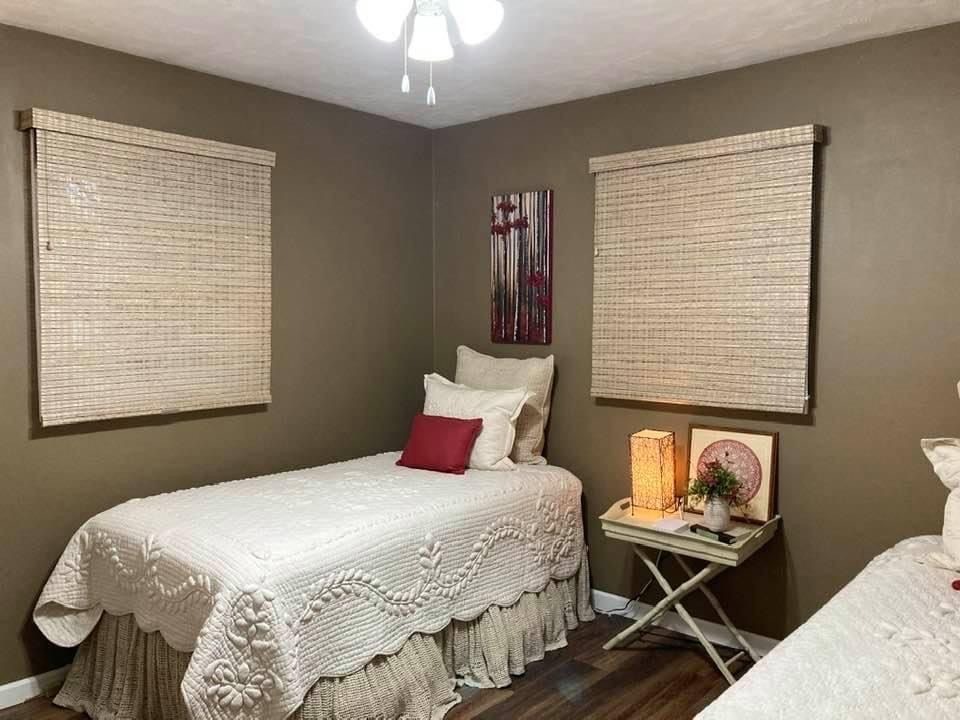
A bare staircase window is a missed opportunity. Plantation shutters work exceptionally well here because they are fixed in place, require no daily operation, and provide light control through adjustable louvres without needing to be raised or lowered. Woven wood shades mounted at each individual window section are another strong option for staircase runs with multiple smaller panes stacked vertically.
Bedroom Windows on Upper Floors
Upper-floor bedrooms sit higher than street level, which changes the privacy equation. The exposure from outside is lower, so heavy blackout treatments are not always necessary for privacy. Light control for sleep, however, still matters significantly.
- Cellular shades in a light-filtering opacity handle daytime diffusion without making the room feel closed off
- A blackout roller behind a sheer panel gives full flexibility between day and night use
- Top-down bottom-up shades are especially useful in upper bedrooms because they let light in from the top while maintaining privacy at eye level from inside
- Hardware should match the rest of the home’s upper-floor rooms to maintain the continuity established on the ground floor
The fabric weight on upper floors can be lighter than on the ground floor since heavy drapery panels are less necessary when natural privacy is already higher.
Your Multi-Story Home Deserves a Thought-Out Window Plan
Jolene’s Interiors has worked through enough multi-story homes to know that the staircase window is always the last thing anyone thinks about and the first thing that dates a space when it is handled poorly. We look at every window in a home as part of a connected system, not a series of individual problems to solve separately.
Our work on custom window design in Columbus starts with a full picture of the home, how the floors relate to each other, where the light travels, and what each window actually needs to do. If your multi-story home has windows that have never quite come together, that is exactly the kind of problem we enjoy solving.
Real Questions From Homeowners With Multi-Story Homes
Q1. How do I treat a window that spans two floors?
A1. Motorized treatments are the most practical option for two-story windows. A single large roller shade or a set of panel track blinds mounted at the ceiling and controlled remotely handles the scale without requiring manual access. Sheer panels on a ceiling-mounted track add a softer layer if needed.
Q2. Do window treatments need to match on every floor of a home?
A2. They do not need to be identical, but they should feel related. Consistent hardware finish and a shared color palette across floors create visual cohesion without requiring the same fabric or style in every room.
Q3. What is the best window treatment for a staircase that has multiple small windows stacked vertically?
A3. Individual woven wood shades or plantation shutters mounted at each window section work best. They provide light control at each level independently and look intentional rather than improvised.
Q4. Are motorized shades reliable for daily use in a multi-story home?
A4. Yes. Quality motorized systems from established manufacturers are built for daily operation and typically come with multi-year warranties. They also reduce wear on the fabric itself since the mechanism is consistent and gentle every time.
Q5. How do I add privacy to upper-floor bedroom windows without making the room feel dark?
A5. Top-down, bottom-up shades are the most effective solution. They allow light in from the upper portion of the window while covering the lower portion where privacy matters most. Light-filtering cellular shades are another strong option that diffuses light without full blockout.