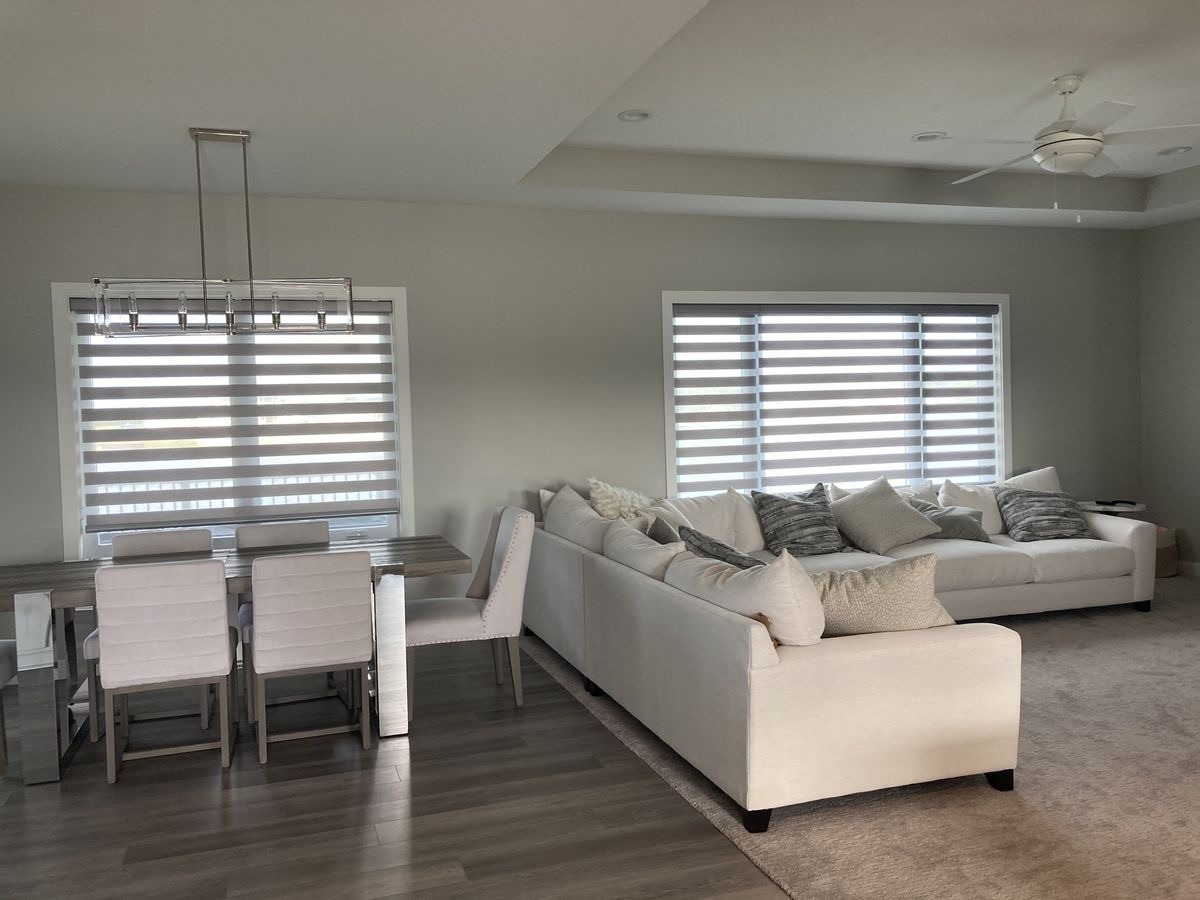
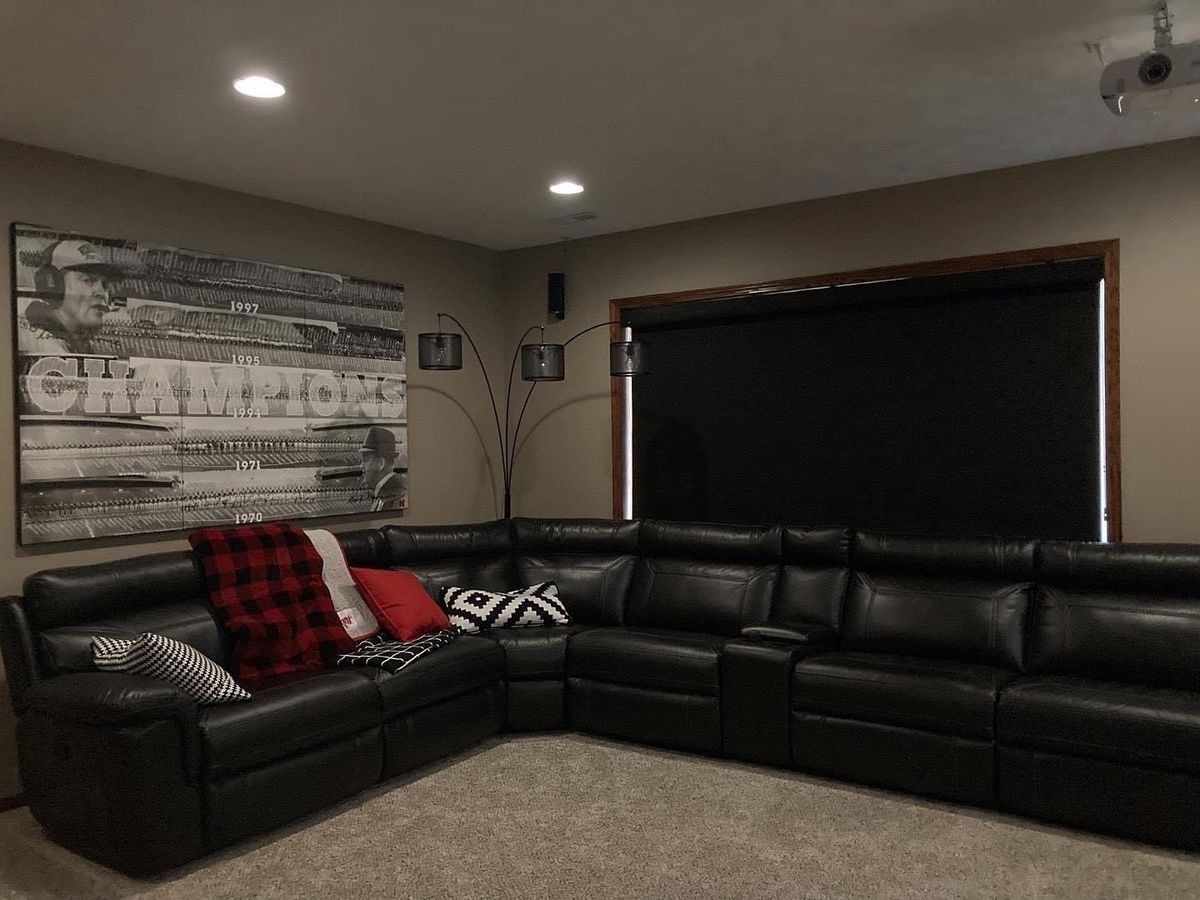
West-facing windows are beautiful in the morning and a problem by 2 pm. The sun hits hard, the room heats up fast, and everything in its path, your sofa, your rug, your curtains, starts fading before you notice.
Most homeowners either block the window entirely or do nothing at all. Both choices cost you something. The good news is there is a middle path, and it does not require sacrificing natural light or turning your living room into a dim box. Thoughtful custom window design in Columbus, Omaha, solves this without compromise.
Why Afternoon Sun Is a Different Problem Entirely
Morning sun is soft and low. Afternoon sun is direct, high-intensity, and carries significantly more heat. It enters at an angle that pushes deep into a room, reaching furniture, flooring, and artwork that would otherwise never see direct light. The ultraviolet component is what causes fading.
UV rays break down the dye in fabrics and the finish on wood surfaces over time. You do not see it happening, but after one summer, the difference between a protected surface and an unprotected one becomes visible. This is not just an aesthetic issue. It is a material preservation issue.
Solar Shades: The Most Targeted Fix
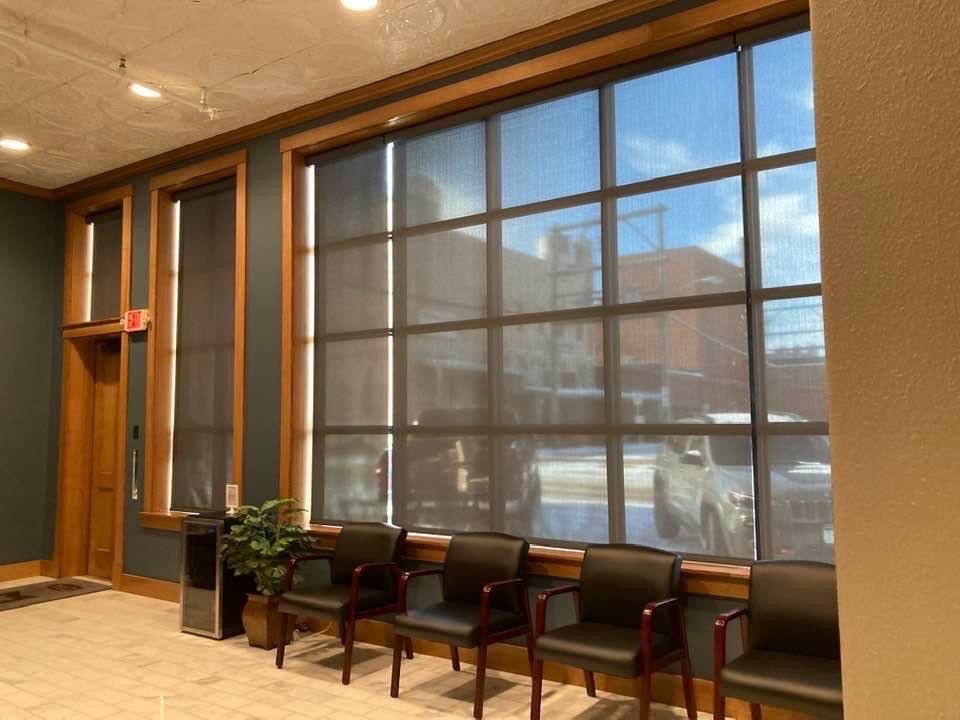
Solar shades are engineered specifically for this situation. They are roller shades made from an open-weave mesh fabric that blocks UV rays and reduces glare without cutting off the view or darkening the room.
The openness factor, called the openness percentage, determines how much light and view come through. A 1% openness fabric blocks more light and provides more privacy. A 10% openness fabric lets in more light and keeps the outside view clearer.
Most homeowners dealing with intense afternoon sun do best somewhere in the 3 to 5% range. It filters enough to make the room comfortable while keeping the space feeling open. Solar shades also reduce heat gain, which directly affects how hard your air conditioning works in summer. That is both a comfort benefit and a cost benefit.
Lined Drapery Does More Than Look Good
A lot of homeowners underestimate what drapery lining actually does. A standard lining adds body and helps the fabric hang better.
A blackout lining blocks light entirely. But the option worth knowing about for sun-facing windows is thermal or interlining. Interlined drapery has a layer of soft batting sewn between the face fabric and the lining. It acts as insulation, slowing the transfer of heat from the window into the room. On a west-facing window in July, this makes a measurable difference in room temperature.
The fabric also lasts significantly longer because it is shielded from direct UV contact. A window design expert in Columbus, Gretna would almost always recommend interlining for any south or west-facing room that gets consistent afternoon exposure.
Layering Gives You Flexibility Throughout the Day
One treatment rarely handles a west-facing window well across all hours. A layered approach works better because it gives you control at different times of day.
- A solar shade handles the peak afternoon hours, filtering heat and glare while keeping the room usable
- A sheer panel softens the light in the earlier part of the day, before the sun reaches full intensity
- A lined drapery panel pulls across in the late afternoon when the sun is at its lowest and most direct angle
- Each layer works independently, so you are never stuck choosing between full brightness and a completely blocked window
This kind of setup is exactly what custom window design in Columbus, Omaha, is built for. Off-the-shelf solutions rarely accommodate all three layers cleanly, especially on windows that are not standard sizes.
Fabric Color and Tone Matter More Than People Think
Dark fabrics absorb heat. Light fabrics reflect it. On a sun-facing window, choosing a pale or mid-tone fabric for the treatment reduces how much heat the fabric itself radiates back into the room after absorbing sunlight. This does not mean every west-facing window needs white curtains. It means the fabric choice should factor in heat behavior, not just aesthetics.
A medium warm linen in a soft natural tone handles the sun well, looks beautiful, and does not turn the window treatment into a heat source by late afternoon.
Your Afternoon Sun Problem Has a Real Solution
Jolene’s Interiors has sat in enough sun-drenched living rooms at 3 pm to know exactly what is going wrong and why. We do not start by showing fabric samples. We start by understanding the window, the light, and how you actually use the space. A solar shade that works in one room can be completely wrong for another. That difference is not always obvious until someone who knows what to look for walks in. We are that someone.
Straight Answers for Sun-Facing Windows
Q1. Do solar shades completely block the view from outside at night?
A1. No. Solar shades work by reducing glare when there is more light outside than inside. At night, when interior lights are on, and it is dark outside, the view reverses, and people outside can see in. For nighttime privacy, a second layer, like a roller shade or drapery panel, is needed.
Q2. Can UV rays damage flooring even through window glass?
A2. Yes. Standard window glass blocks some UV but not all. UV-blocking solar shades or low-e window film provide additional protection that glass alone does not offer. Hardwood floors and area rugs are especially vulnerable to fading from prolonged UV exposure.
Q3. Are solar shades worth using in winter too?
A3. Yes, though the benefit shifts. In winter, west-facing afternoon sun can actually help warm a room passively. A solar shade with a higher openness percentage, around 10%, lets more warmth in during colder months while still reducing glare. Motorized shades make it easy to adjust seasonally.
Q4. What is the difference between blackout and thermal lining in drapery?
A4. Blackout lining blocks light. Thermal or interlining adds insulating bulk that slows heat transfer. They serve different purposes. For sun-facing rooms, interlining does more practical work. For bedrooms where sleep is the priority, blackout lining matters more. Many custom drapery orders use both together.
Q5. How do I stop my furniture from fading without blocking all natural light?
A5. Solar shades are the most effective single solution. A 3 to 5% openness fabric filters the UV rays responsible for fading while still letting diffused natural light into the room. Combining solar shades with UV-protective window film on the glass itself gives the highest level of protection without full blockout.