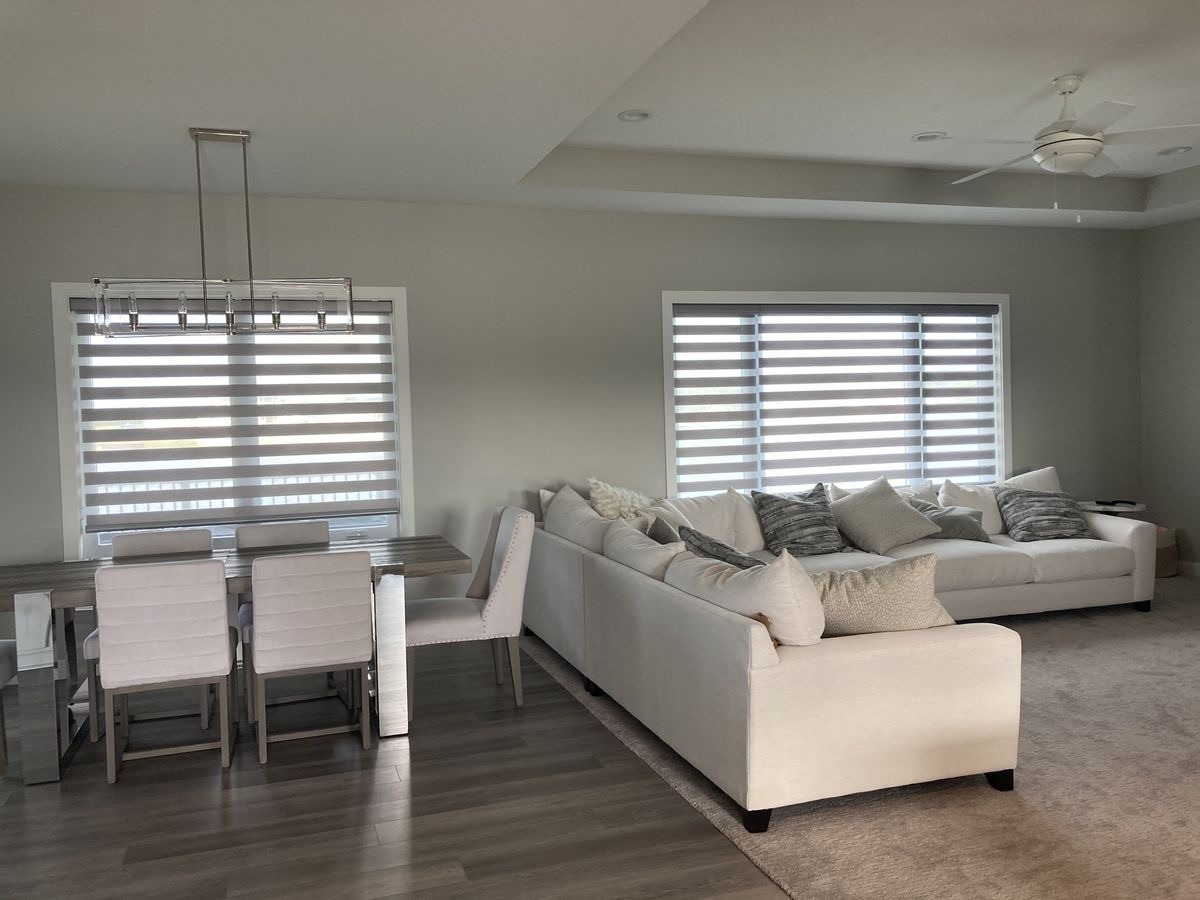
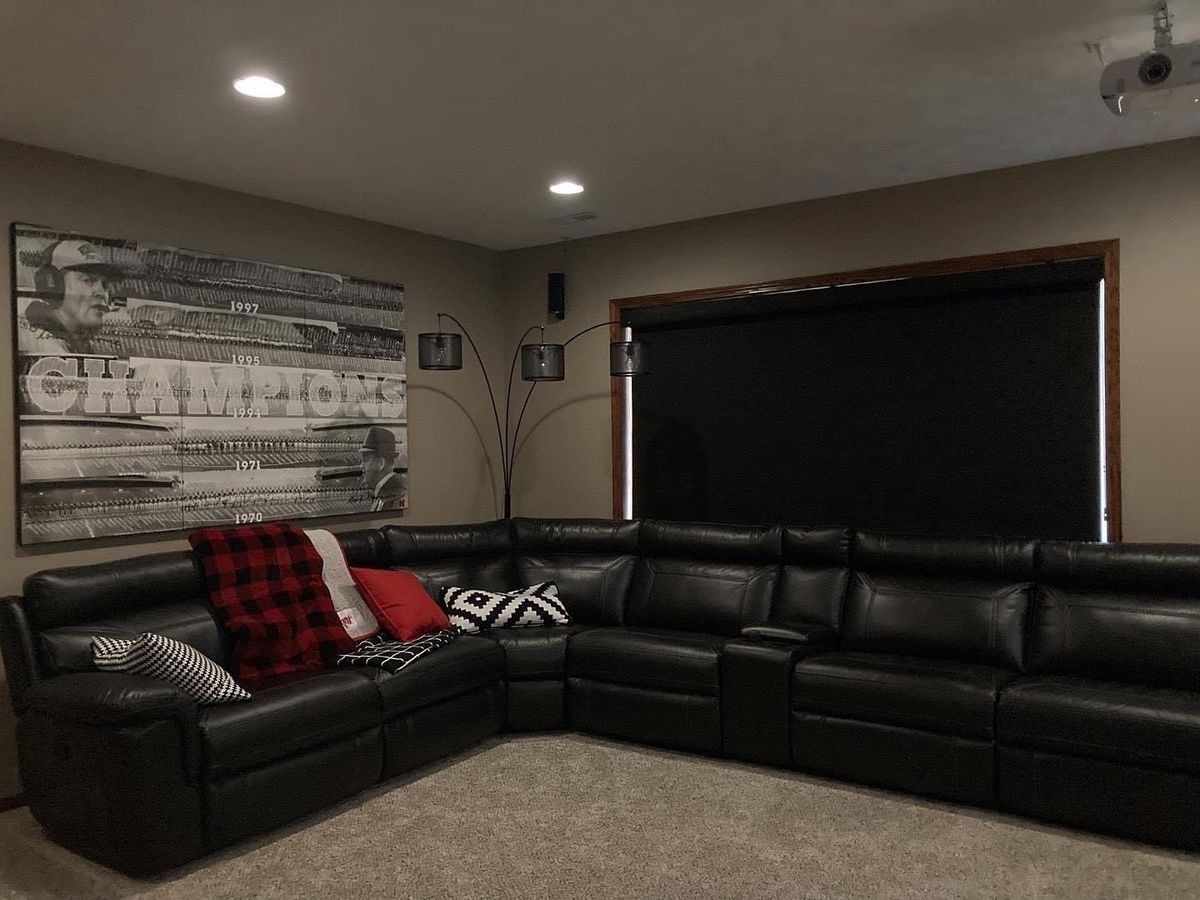
Most rooms feel unfinished, not because of the furniture or paint, but because of the windows. A single curtain panel or a lone roller shade rarely does enough. Layering window treatments is what separates a put-together room from one that looks truly considered. It gives you control over light, privacy, and style all at once.
Homeowners investing in Luxury Window Coverings Gretna understand this well. The layered look is not a trend. It is a design principle that has worked for decades and continues to define high-end interiors.
Why One Layer Is Never Enough
A single window treatment handles one job at a time. A sheer panel softens light but offers little privacy. A blackout shade blocks everything, but feels cold and flat when it is the only thing on the window.
Layering solves both problems simultaneously. When you combine treatments, you create flexibility. You can let soft light in during the day, shift to full privacy at night, and still have the window look beautiful at every setting in between. That kind of functionality is exactly what high-end interiors are built around.
Start With the Sheer Layer
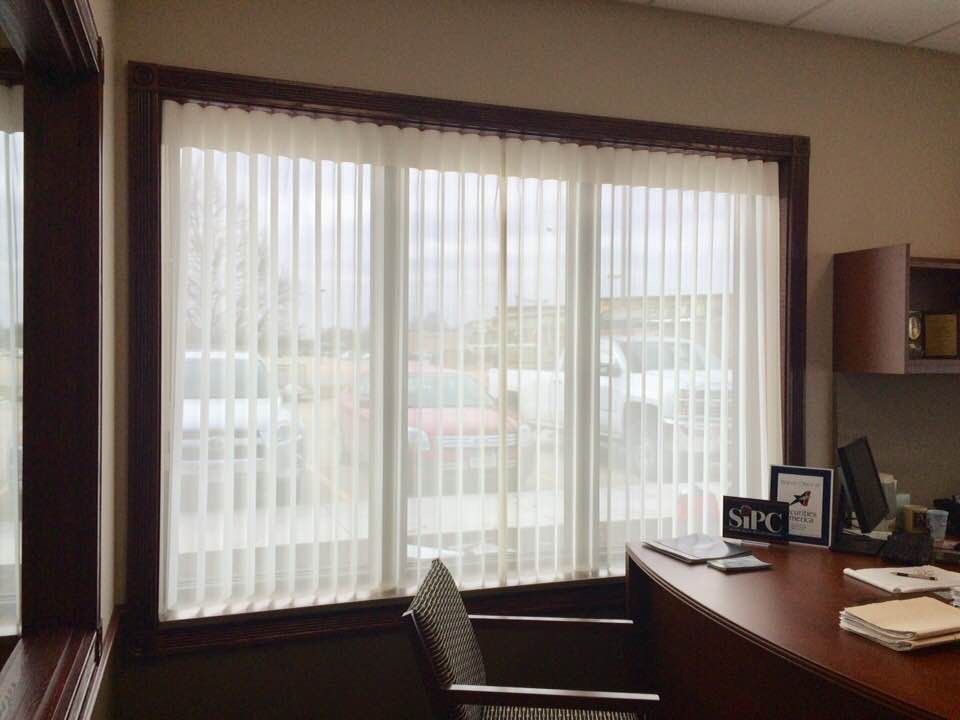
The sheer layer sits closest to the glass. It is the foundation of any layered window setup. Sheers diffuse harsh sunlight into something softer and more flattering. They also give the room a sense of airiness without fully exposing the interior to outside view. Linen sheers work well in relaxed, contemporary spaces. Silk-blend sheers add a delicate luminosity that suits more formal rooms.
The key is choosing a fabric with enough weight to hang smoothly but enough openness to let light filter through. A sheer that is too stiff loses its softness. One that is too thin offers no real diffusion.
Add the Functional Middle Layer
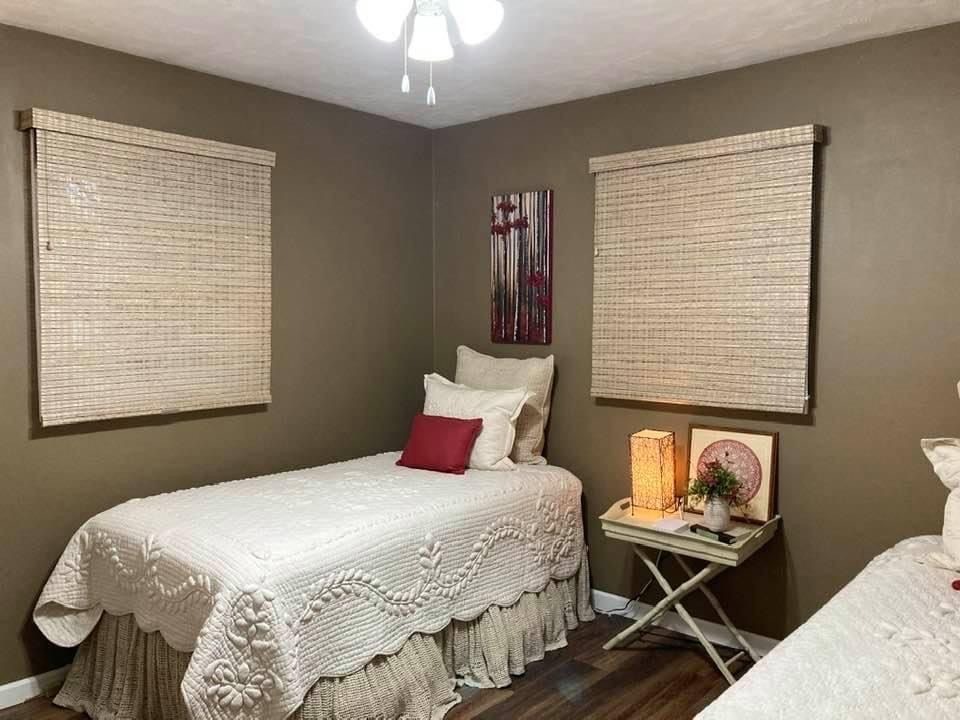
The middle layer is where most of the practical work happens. This is typically a Roman shade, a roller shade, or a woven wood shade mounted inside the window frame or just above it. It handles light control and privacy more directly than the sheer layer can.
Roman shades are a strong choice here because they sit flat when lowered and stack neatly when raised. They also come in an enormous range of fabrics, so matching them to your existing palette is straightforward. Cellular shades are another smart option, especially in rooms where insulation matters, since they trap air and reduce heat transfer through the glass.
The Drapery Layer Ties Everything Together
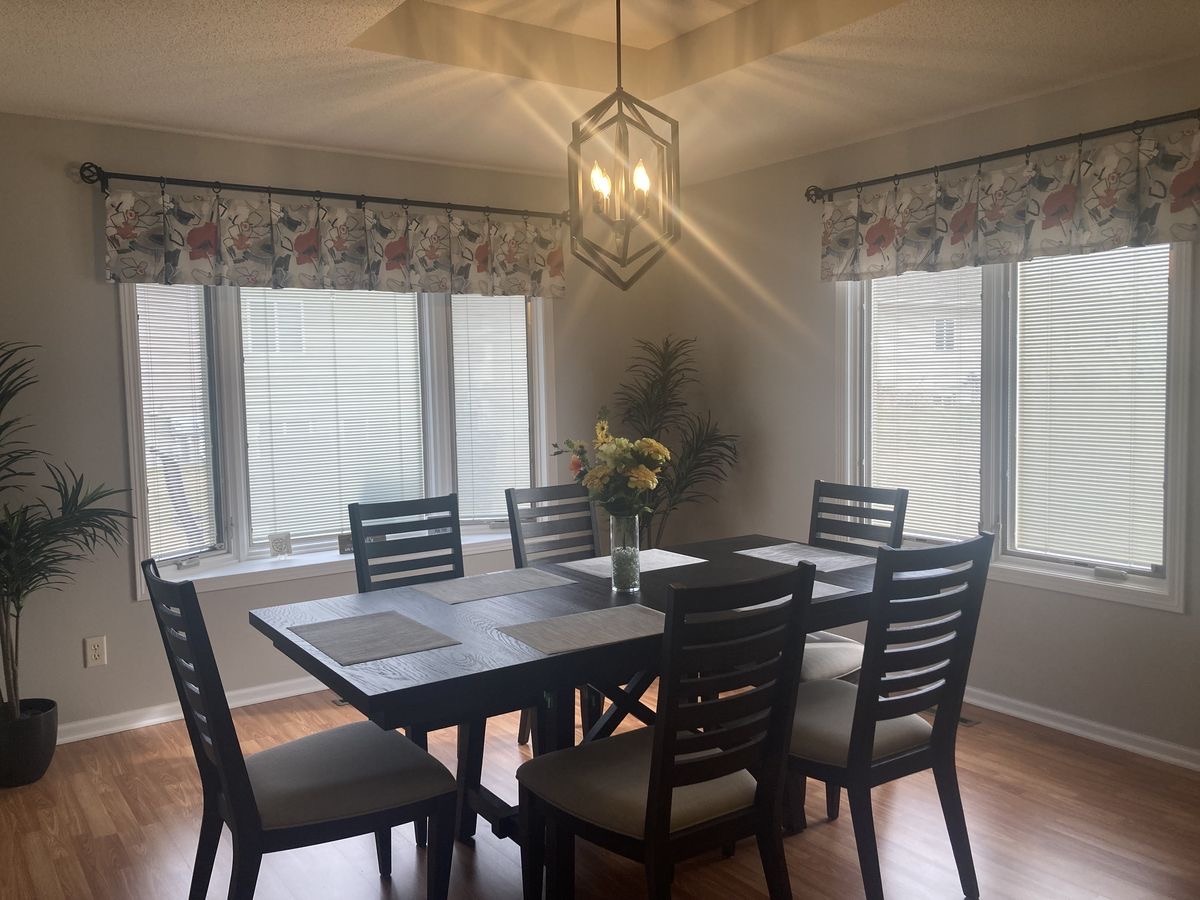
The outer drapery layer is the most visible part of the setup. It frames the window, adds height, and brings the full design together. This is where fabric choice, color, and hardware all come into focus at the same time.
Floor-to-ceiling drapery panels hung close to the ceiling make any window feel larger, and any room feel taller. Even a standard eight-foot ceiling can feel more generous when the curtain rod is mounted just below the crown molding. The panels should be full enough to look generous when open, not stretched thin across the rod.
Homeowners who choose Elegant Window Coverings in Omaha often opt for lined or interlined drapery panels at this layer. The lining adds body, improves how the fabric drapes, and extends its lifespan by protecting it from sun exposure.
Hardware Makes or Breaks the Look
Hardware is the part most people underestimate. The rod, brackets, rings, and finials are all visible, and they all communicate something about the quality of the overall setup. Thin, flimsy rods undermine even the most beautiful fabric. Brushed brass hardware suits warm-toned rooms with earthy or jewel-toned palettes. Matte black works well in cooler, more contemporary spaces.
Polished nickel bridges traditional and modern without committing too hard to either. The rod diameter should be proportional to the panel weight. Heavier drapery needs a sturdier rod to hang correctly and last without bending. Ceiling-mounted tracks are worth considering in rooms with very high ceilings or in spaces where a cleaner, more architectural look is the goal.
The curtain appears to rise directly from the ceiling, which removes the visual interruption of a rod and bracket entirely.
Your Windows Deserve More Than an Afterthought
Layering window treatments is one of the most effective ways to add polish, function, and personality to a room without touching a single piece of furniture. Jolene’s Interiors has spent years helping homeowners get this right. So, if your windows have been working with just one layer, it might be time to rethink the whole setup. We are here when you are ready to do that.
People Also Ask About Layering Window Treatments
Q1. Do layered window treatments work in small rooms?
A1. Yes, and they can actually make small rooms feel larger. Hanging drapery high and wide draws the eye upward and outward. Keeping fabrics light in color and texture prevents the window from feeling heavy or closed in.
Q2. How many layers are ideal for a bedroom window?
A2. Three layers work well in most bedrooms: a sheer for daytime softness, a blackout shade for sleep, and a drapery panel for a finished appearance. Two layers can work if the middle shade handles both privacy and full light block.
Q3. Can motorized treatments work in a layered setup?
A3. Absolutely. Motorized systems can be installed on multiple layers independently. Each layer gets its own motor and control, so you can raise the sheer, lower the shade, or close the drapery from a single remote or app.
Q4. What is the best fabric for the outer drapery layer?
A4. Linen, velvet, and wool blends are all strong choices depending on the room’s function and aesthetic. Lining is important regardless of fabric type because it adds structure, improves drape, and protects the material from UV damage over time.
Q5. How do I keep layered treatments from looking too heavy?
A5. Choose lighter fabrics for the inner layers and reserve heavier materials for the outer panel only. Keeping the color palette cohesive across all three layers also helps. When every layer is a different color and weight, the window starts to compete with the rest of the room.