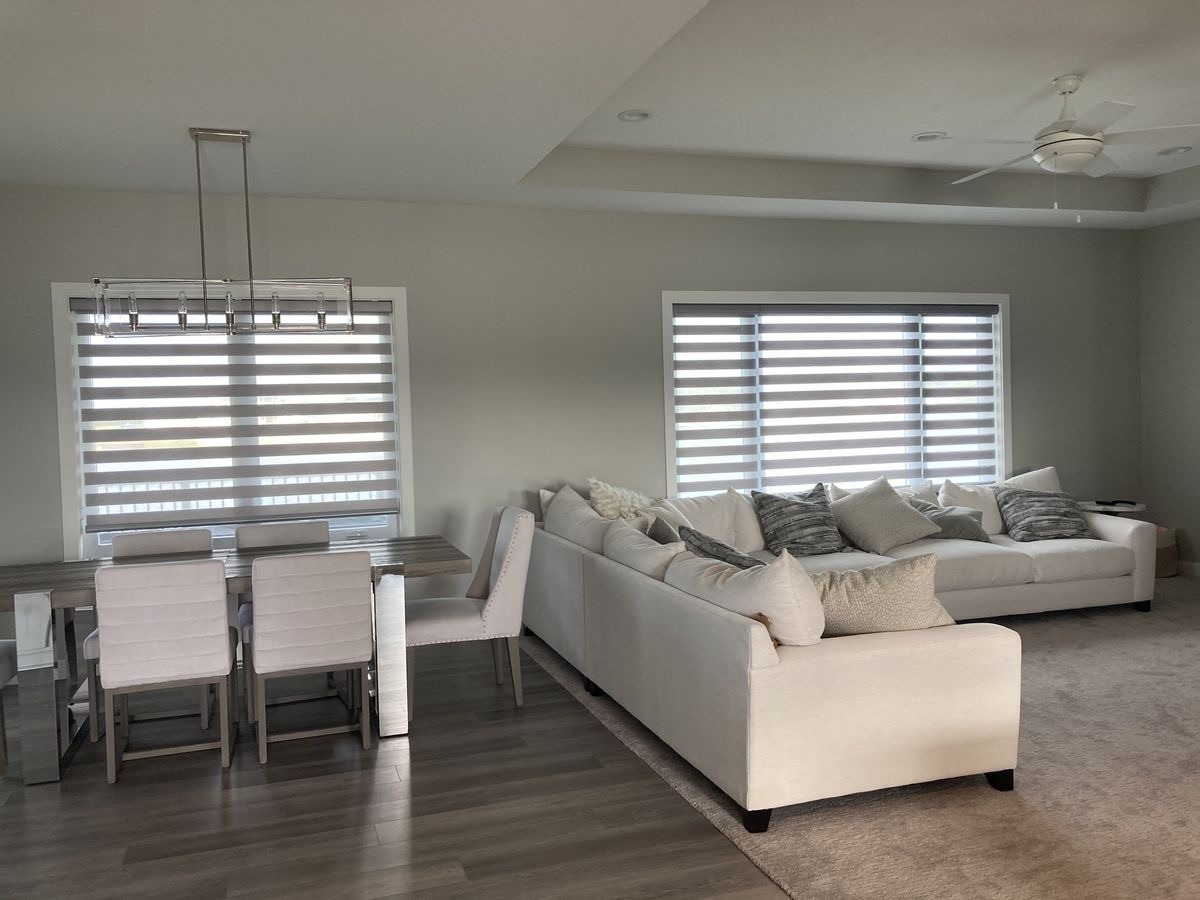
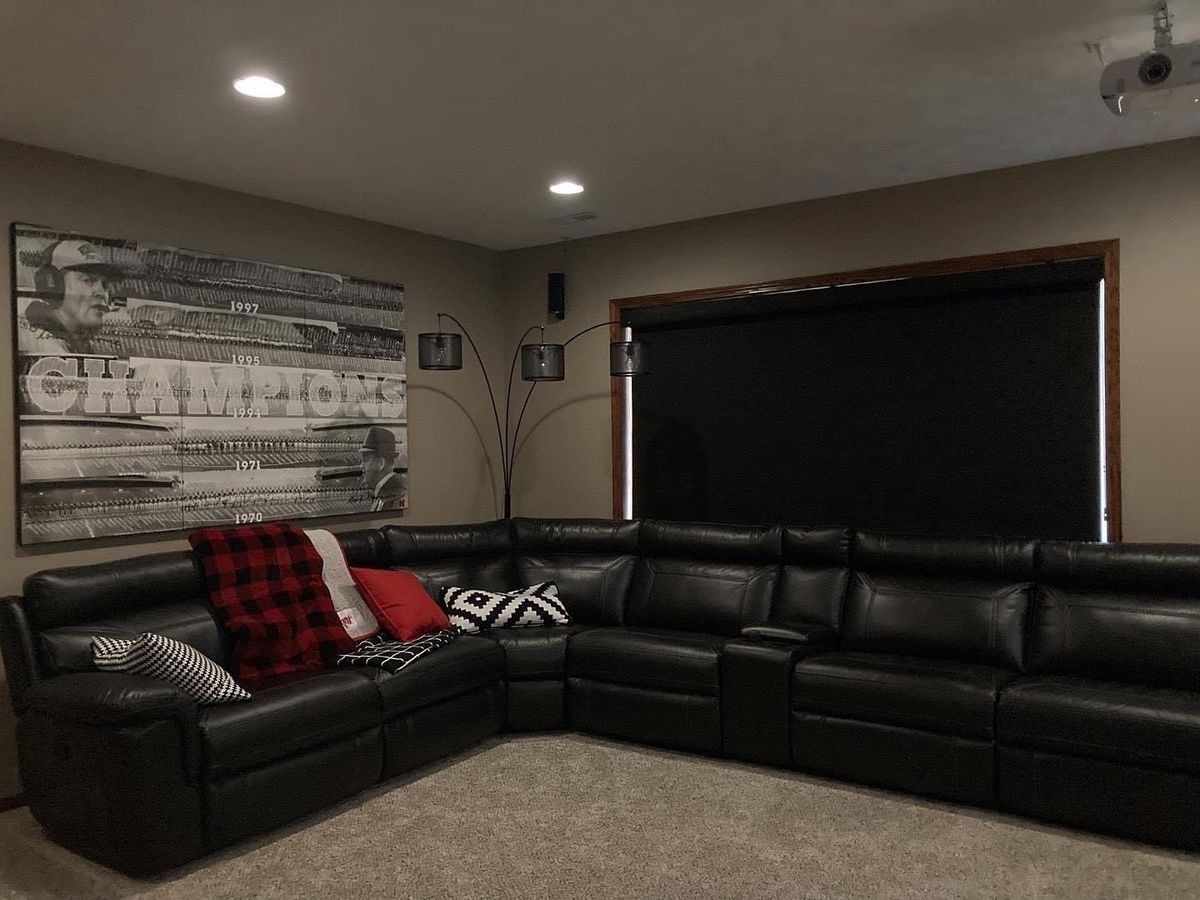
Most people don’t think much about their windows until something feels off. Too much light early in the morning. Not enough privacy at night. Or blinds that never quite sit straight, no matter how many times you adjust them.
Window blinds and shades play a bigger role than we often realize. They’re part of the daily rhythm of a home. Opened. Closed. Tilted slightly. Forgotten about. And ideally, they should stay that way—quiet, useful, and easy.
At Jolene’s Interiors, the focus isn’t just on selling products. It’s about helping people choose window treatments that make everyday living simpler. Whether you’re looking for the best window shades or comparing the best blinds for windows, the real question is how those choices fit into your normal day.
How Window Treatments Affect More Than Just Appearance
A room can look fine on paper and still feel uncomfortable. Lighting is usually the reason. Harsh sunlight, constant glare, or a space that feels exposed when it shouldn’t.
Window blinds and shades help control all of that. They soften light. They add privacy. They even help with temperature, especially in rooms that get strong sun during the afternoon.
When window treatments are chosen carefully, you stop thinking about them. When they’re not, they become something you notice every single day.
Blinds and Shades Explained Without the Sales Talk
Blinds and shades serve different purposes, even though they often get grouped together.
Blinds are built with slats. They tilt. They lift. They give you control over how much light comes in and how much stays out. Many homeowners prefer blinds because they’re familiar and flexible.
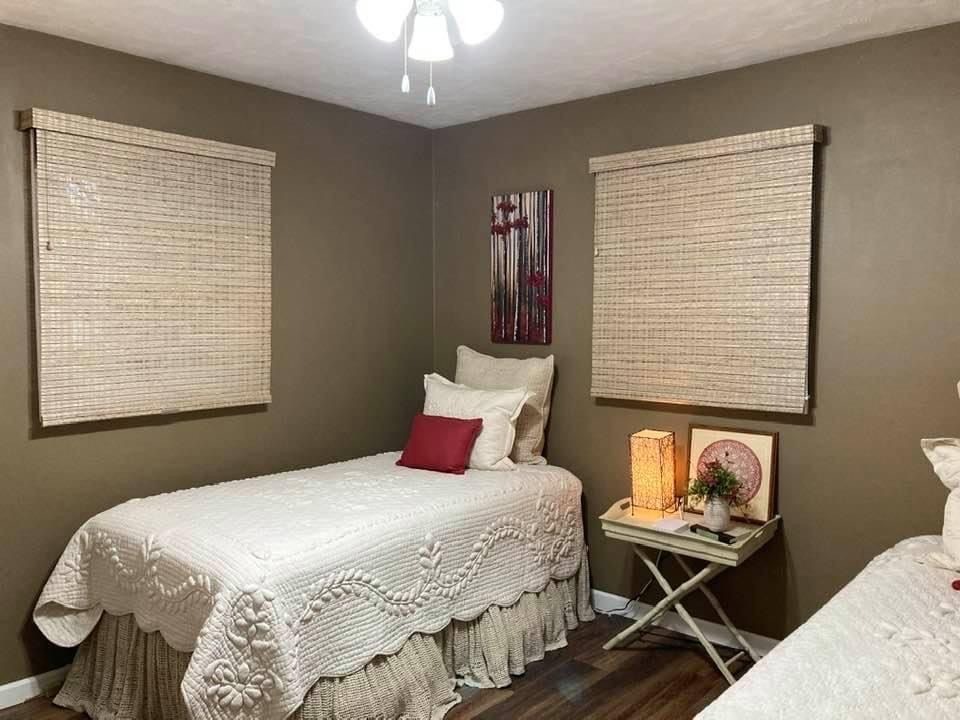
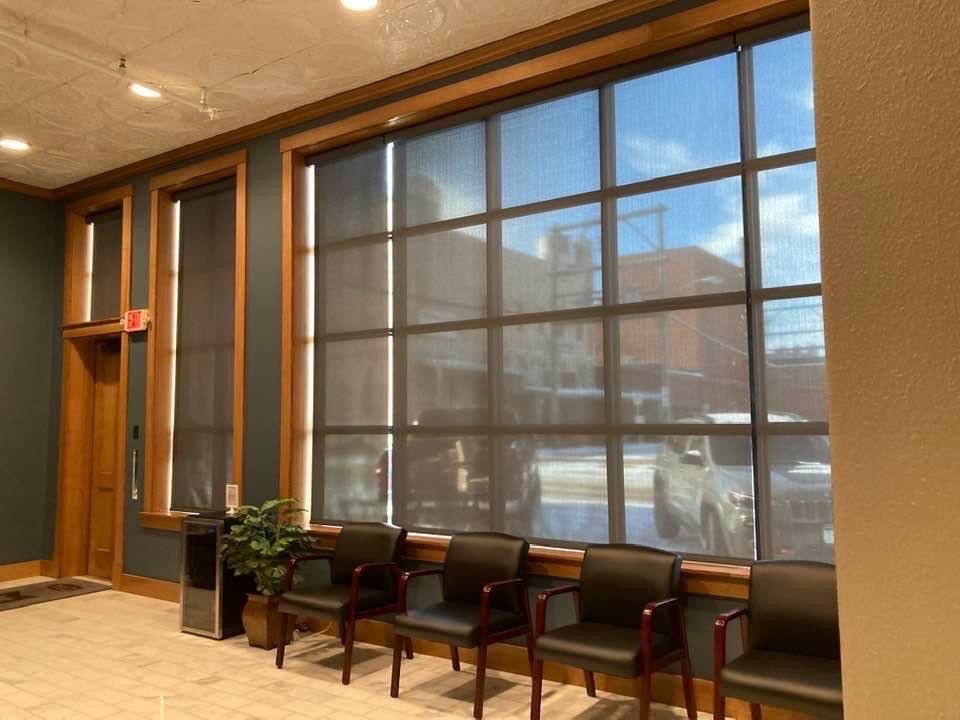
Shades are made from a single piece of material. Fabric, woven textures, or light-filtering materials. They don’t tilt, but they create a softer feel. Shades tend to calm a room down visually.
Neither option is better in every situation. It really depends on the room, the window, and how you actually use the space.
Choosing the Best Blinds for Windows in Your Home
The best blinds for windows are usually the ones that make life easier, not flashier.
In kitchens or bathrooms, moisture matters. In living rooms, glare can become annoying. Bedrooms often need better light control for sleep.
Good blinds should:
- Open and close without effort
- Hold their shape over time
- Match the tone of the room
- Not feel like they’re fighting the window
Blinds that work well tend to disappear into the background. That’s usually a good sign.
Finding the Best Window Shades for Everyday Comfort
Shades are often chosen for their simplicity. They don’t draw attention to themselves. They just do their job.
Some of the best window shades:
- Filter light instead of blocking it completely
- Offer privacy without making rooms feel closed
- Feel natural in both modern and traditional spaces
- Operate smoothly without noise or tension
People often choose shades when they want the room to feel settled, not busy.
Why Custom Window Treatments Make Such a Difference
Windows are rarely as standard as they seem. Small differences in size, depth, or framing can change how blinds or shades look once installed.
Off-the-shelf options sometimes leave gaps or sit awkwardly. Custom window treatments avoid that problem. They’re measured for the actual window, not an estimate.
At Jolene’s Interiors, custom solutions focus on:
- Proper fit
- Materials that last
- Balanced proportions
- Clean installation
It’s the kind of detail that’s noticeable once everything is in place.
A Simple, No-Rush Way to Choose Window Treatments
Choosing window blinds and shades shouldn’t feel rushed or confusing. Some people know what they want right away. Others need to see options, sit with them, and think it through.
That’s okay.
The process is meant to feel steady. Questions get answered. Options get narrowed down. Decisions happen when they feel comfortable, not forced.
The goal is window treatments that still feel like the right choice years later.
Common Questions About Window Blinds and Shades
What is the main difference between blinds and shades?
Blinds have adjustable slats for light control. Shades are made from one continuous piece of material.
Which option is better for privacy?
Both can provide privacy. It depends on the material and how they’re used throughout the day.
Are custom window treatments really necessary?
They’re not required, but they usually fit better and look cleaner than standard sizes.
How do I choose the best blinds for windows?
Think about the room’s use, sunlight, and moisture. Guidance helps simplify the decision.
What are the best window shades for a clean interior look?
Simple fabric shades with neutral tones work well in most homes.